How Arcade Machine Factories Handle Large Custom Orders
Learn how arcade machine factories manage large custom orders through production planning, component coordination, batch consistency, testing, packing, and delivery.
Introduction
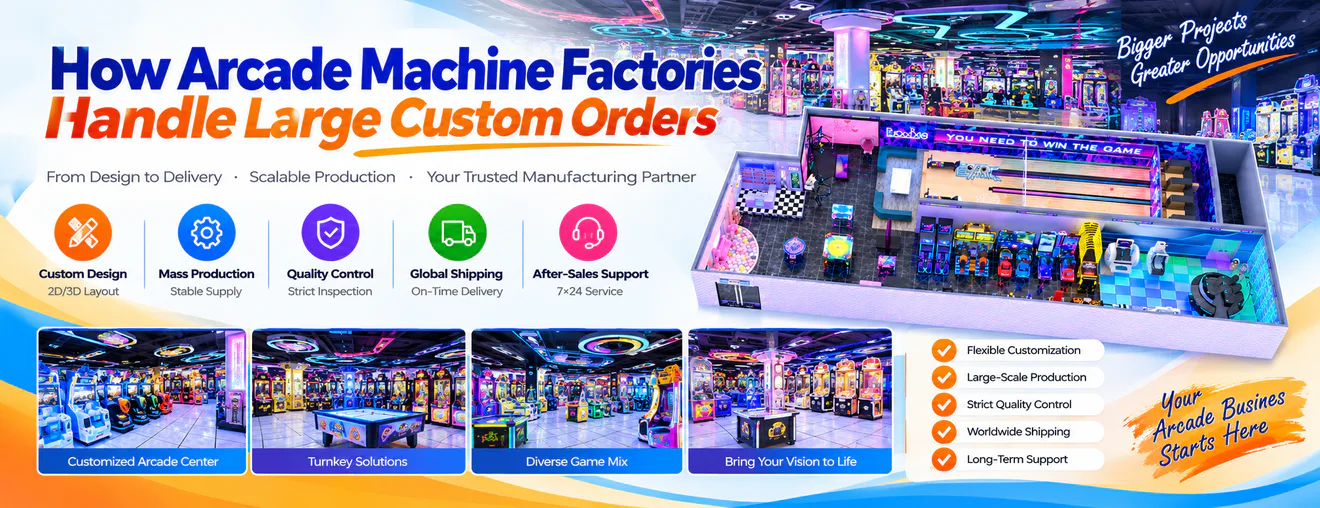
Large arcade equipment orders require a different manufacturing approach from purchasing one or two machines. A distributor may need dozens of machines for inventory, while an FEC investor may require several categories of equipment for one complete entertainment venue.
The factory must coordinate materials, production capacity, customization, assembly, testing, packing, and delivery while keeping the order consistent with the customer's requirements. The larger the order becomes, the more important project coordination becomes.
For international buyers, understanding how a factory manages a large custom order can make communication easier and reduce avoidable problems before production begins.
1. Turn the Customer Requirement Into a Production Plan
Large orders normally begin with a detailed project discussion. The factory needs to understand the product models, quantities, destination market, customization requirements, payment configuration, and expected delivery schedule.
A clear project brief gives the production team a reference before materials are prepared. It also gives the buyer and manufacturer a common understanding of what is included in the order.
A distributor may order several arcade categories for a new market, while an FEC investor may need a complete equipment package for one venue. These two projects require different production arrangements even if the total number of machines is similar.
The factory therefore needs to translate the commercial requirements into specific product configurations. Models, dimensions, technical specifications, artwork, electrical requirements, and other options should be confirmed before production begins.
This stage is also where unusual requirements should be identified. A special cabinet, customized payment system, or market-specific configuration may require additional preparation.
Clear information at the beginning helps the production team plan materials and capacity more accurately. It also reduces the likelihood of changes interrupting production later.
For buyers, providing complete information early is one of the simplest ways to make a large order easier to manage.
2. Organize Production Across Different Machine Categories
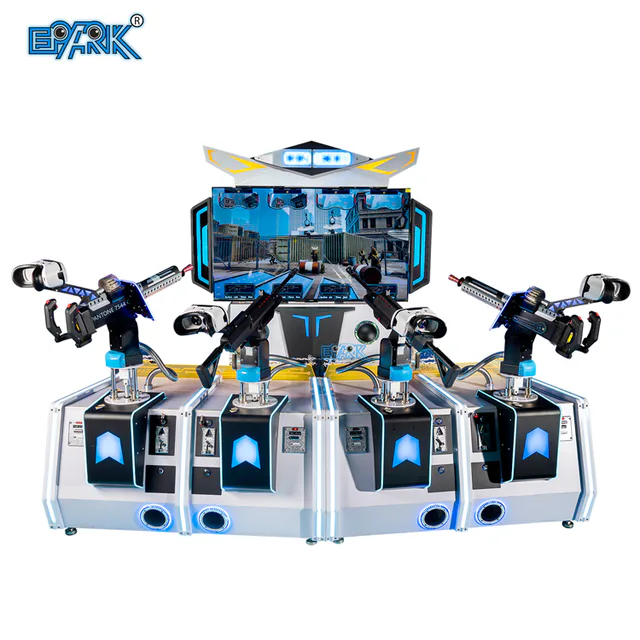
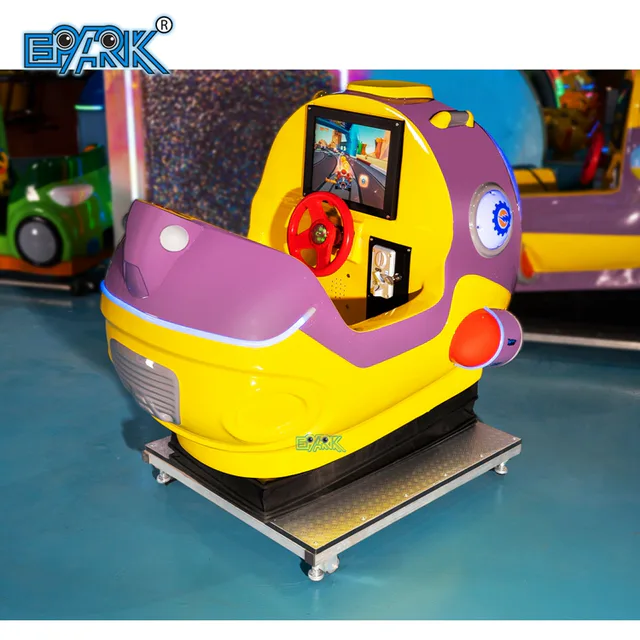
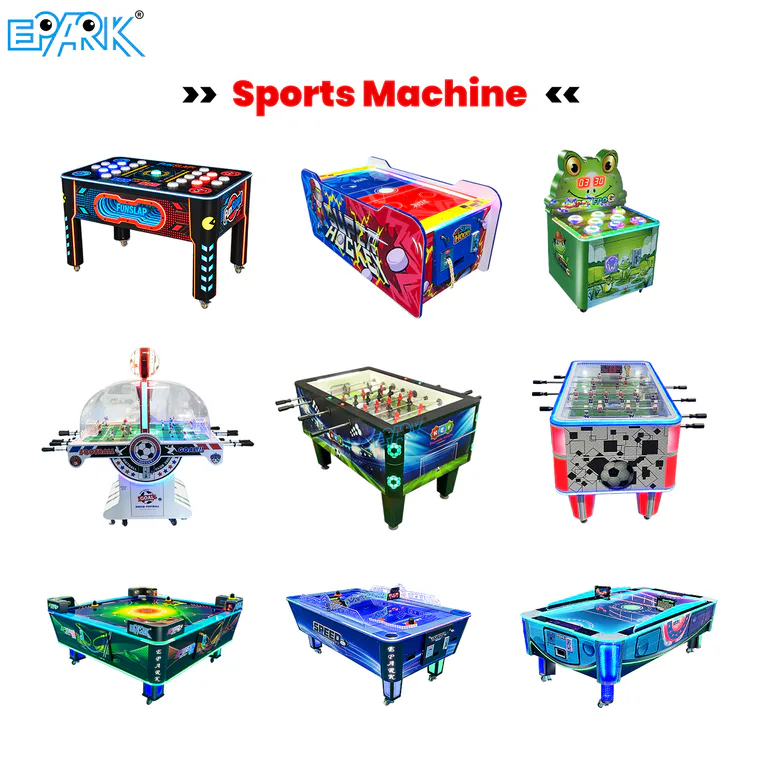
A large entertainment project may contain racing machines, shooting games, claw machines, redemption games, sports games, VR equipment, and children's attractions. These products do not necessarily follow the same production process.
Each category can require different components, assembly procedures, software configuration, and functional testing. The factory therefore needs to organize production according to the characteristics of each product group.
This is different from producing a large quantity of identical machines. A mixed order requires several production schedules to move forward while remaining connected to one overall delivery plan.
Production teams need to know which machines have similar requirements and which products require specialized handling. This allows resources to be allocated more efficiently.
For an FEC operator, coordinated completion can be especially important because the machines may need to arrive together for installation. Delaying one important category can affect the venue opening schedule.
A manufacturer with experience across multiple arcade categories can therefore provide more than individual product manufacturing. It can coordinate different equipment groups as part of one commercial project.
The final objective is to complete the required equipment within the agreed schedule without losing control of product consistency.
3. Coordinate Materials and Components Before Assembly
Large orders require sufficient components to be available when production begins. The factory may need cabinets, displays, game systems, controls, wiring, lighting components, mechanical parts, and other materials in quantities that match the confirmed order.
Component planning becomes more complicated when the project includes customized equipment. A standard machine may use a regular configuration, while a customized version may require different parts or additional preparation.
Production teams need to understand these differences before assembly starts. Otherwise, missing or incorrectly prepared components can interrupt the manufacturing schedule.
Having the correct components available also helps maintain consistency between machines in the same order. This is particularly important when a distributor expects multiple units to have the same configuration.
Material planning should therefore be connected directly to the approved order information. Changes to important specifications after production has started can create additional work and may affect delivery schedules.
For buyers, confirming technical details before production is one of the most effective ways to reduce unnecessary changes during a large order.
4. Maintain Consistency Across a Large Production Batch
Consistency becomes especially important when a buyer orders many machines of the same model. The first unit and the final unit should follow the same approved specifications.
The factory needs to maintain consistency in cabinet dimensions, component configurations, artwork, controls, software settings, and other relevant details.
Batch consistency is also important for distributors because differences between machines can create questions when the equipment is sold to different customers.
Standardized production procedures help reduce variation between units. Confirmed specifications provide the production team with a clear reference throughout the manufacturing process.
Quality checks can also be performed during production rather than waiting until the entire order is finished. This makes it easier to identify a problem while there is still time to correct it.
For customized orders, consistency becomes even more important because the factory needs to reproduce the approved design across multiple machines.
A consistent production batch gives the buyer greater confidence that the equipment will provide a similar customer experience after installation.
5. Manage Customization at Commercial Scale
Customization can make a large order more valuable for distributors and entertainment projects, but it also creates additional production requirements.
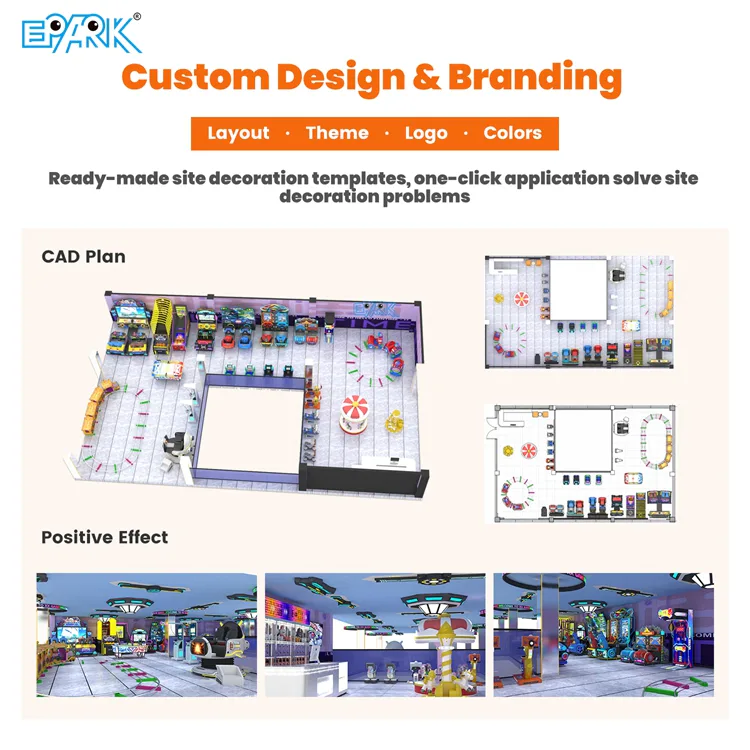
A customized order may include cabinet artwork, logos, colors, languages, payment configurations, or other project-specific requirements. These details should be confirmed before mass production begins.
The factory needs a clear reference for the approved design. Artwork and technical specifications should therefore be reviewed carefully before the production team starts manufacturing the full batch.
If a customer changes an important requirement after production has started, the factory may need to adjust materials, assembly procedures, or completed units. This can increase costs and affect delivery schedules.
For distributors, customized equipment can create a stronger market identity. For FEC operators, customized cabinets can also match the visual theme of the entertainment venue.
The key challenge is not simply making one customized machine. It is reproducing the approved customization consistently across a larger quantity.
A factory with organized production management can use the confirmed specifications as a common reference for design, assembly, inspection, and final delivery.
6. Test and Prepare Large Orders Before Shipment
Testing a large arcade equipment order requires more organization than testing one individual machine. Different product categories require different functional checks.
Racing machines may require testing of steering, pedals, screens, seats, software, and other interactive systems. Claw machines require checks of movement, controls, payment functions, lighting, and prize mechanisms.
Redemption games may require testing of game operation, ticket output, and related systems. VR equipment can require additional checks for sensors, software, headsets, and motion functions.
The factory needs to confirm that each machine meets the agreed requirements before it is packed. Testing is especially useful for international buyers because technical problems are easier to correct at the factory than after delivery.
For a large project, testing information can also help the buyer understand the progress and condition of the order before shipment. This is useful when the customer cannot visit the factory during production.
The testing process should follow the actual function of each product rather than applying exactly the same checklist to every machine.
A structured testing process helps connect production completion with the final shipment and gives the buyer greater confidence before the equipment leaves the factory.
7. Coordinate Packing, Loading, and Project Delivery
After production and testing are completed, the factory needs to organize packing according to the final shipment. Large orders may contain many individual packages, several machine categories, and different loading requirements.
Packaging needs to protect the equipment while also making efficient use of container space. Machine dimensions, package sizes, weights, and loading order can all influence transportation arrangements.
For international projects, the factory should coordinate shipment information with the buyer. This may include packing details, loading status, documentation, and estimated delivery arrangements.
Good coordination at this stage helps the customer prepare for receiving the equipment. It also allows the venue team to organize unloading, storage, and installation before the machines arrive.
For large FEC projects, delivery should ideally be connected to the venue schedule. Equipment arriving too early can create storage problems, while late delivery can affect installation and opening plans.
An experienced factory understands that completing production is only one part of the project. The equipment also needs to reach the customer in a condition and schedule that support the next stage of the business.
8. Build a Long-Term Manufacturing Relationship
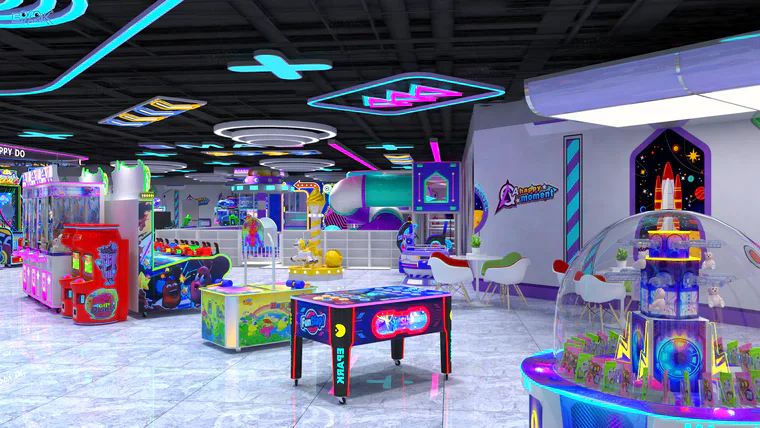
Large custom orders are often the beginning of a longer relationship rather than a single transaction. Distributors may reorder successful products, while FEC operators may expand or upgrade their venues in the future.
A manufacturer that understands the customer's previous specifications can make future orders easier to coordinate. Previous artwork, configurations, product requirements, and project preferences can provide useful references for repeat orders.
This can also help distributors maintain consistency across different batches. When a successful product needs to be reordered, the buyer can work from an established configuration instead of starting the specification process again.
Long-term cooperation can also make communication more efficient. Both sides gradually understand expectations around production schedules, customization, testing, packaging, and delivery.
For entertainment investors, this relationship can become useful when developing additional venues. A supplier familiar with the original project can better understand the equipment strategy and business requirements.
The value of a factory is therefore not limited to its ability to manufacture one large order. Its ability to support future projects can be equally important.
How EPARK Supports Large Arcade Projects
EPARK is a professional arcade machine manufacturer based in Guangzhou, China, with more than 14 years of industry experience. The company serves FEC operators, arcade owners, distributors, importers, wholesalers, and entertainment investors in international markets.
EPARK provides commercial arcade machines, racing games, shooting games, claw machines, redemption games, sports arcade equipment, VR equipment, kiddie rides, and complete FEC solutions.
For large projects, the cooperation process can begin with understanding the venue, target customers, equipment requirements, quantities, customization needs, and delivery schedule.
The project can then move through equipment confirmation, production coordination, quality inspection, packing, shipping, installation guidance, and after-sales support.
This approach allows buyers to manage a larger equipment order through one coordinated manufacturing partner instead of coordinating every product category independently.
For distributors and FEC investors, this can simplify communication when several equipment categories are required within the same project.
FAQ
What information does a factory need for a large arcade machine order?+
The factory normally needs the product models, quantities, technical requirements, destination market, customization details, payment configuration, delivery destination, and expected schedule. More complete information helps the production team prepare the order accurately.
How does a factory manage large orders with multiple arcade machine types?+
The production team can divide the order into product groups and coordinate different manufacturing, assembly, testing, and packing schedules. This allows several categories to be produced while maintaining control of the overall project timeline.
Can large arcade machine orders be customized?+
Yes. Depending on the manufacturer and project, large orders can include customized cabinet artwork, branding, colors, languages, payment systems, and other configurations. Customization should be confirmed before mass production begins.
Conclusion
Large arcade machine orders require more than additional production capacity. They require clear communication, organized production planning, coordinated materials, consistent batch manufacturing, controlled customization, systematic testing, and reliable delivery management.
For distributors, FEC operators, and entertainment investors, understanding this process can make communication with a factory more efficient and help reduce unnecessary project risks.
An experienced arcade machine factory can provide the manufacturing infrastructure and project coordination needed to turn a large equipment order into a more organized and predictable commercial delivery.