How to Build an Efficient Arcade Management System for Daily Operations
Learn how to build an efficient arcade management system with staff training, equipment procedures, customer service standards, inventory control, and daily operation workflows.
Introduction
Running a successful arcade or family entertainment center requires more than having attractive machines and a good location. Daily management plays an important role in maintaining customer satisfaction, equipment performance, and business efficiency.
Many entertainment venues invest heavily in equipment but underestimate the importance of operation systems. Without clear procedures, even a well-designed arcade can experience problems such as inconsistent customer service, slow problem handling, poor equipment management, and inefficient staff coordination.
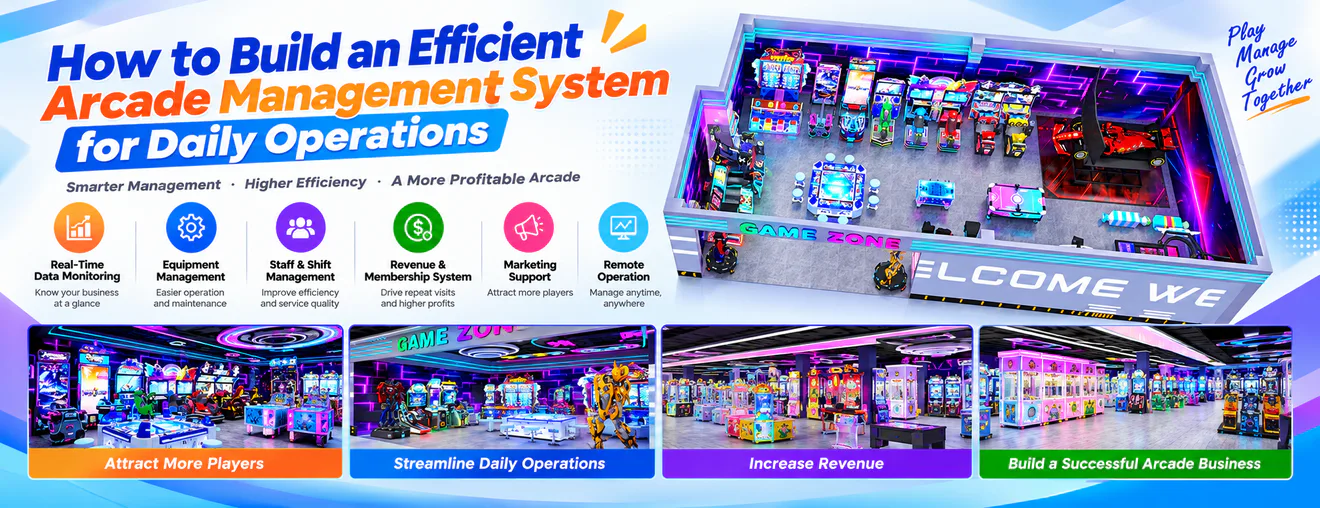
A professional arcade management system helps operators organize daily activities, train employees, monitor equipment, manage customer experience, and create a more stable business operation.
For FEC owners, arcade managers, and entertainment investors, building a structured operation system can improve efficiency and support long-term growth.
1. Create Clear Daily Operation Procedures
A successful arcade needs clear daily workflows so employees understand what should be done before, during, and after business hours.
Opening procedures may include checking machine conditions, cleaning customer areas, confirming payment systems, preparing prize areas, and ensuring the venue is ready before customers arrive.
During operating hours, staff should know how to respond to customer questions, handle simple equipment issues, maintain cleanliness, and monitor popular areas.
Closing procedures are also important. Employees should record equipment problems, organize customer areas, check inventory, and prepare information for the next business day.
Clear procedures reduce dependence on individual employees and help maintain consistent service quality.
For larger FEC projects with multiple departments, standardized workflows become even more important because different teams need to coordinate their responsibilities.
2. Train Employees for Better Customer Service
Employees are one of the most important parts of an entertainment venue.
Customers may remember the service experience as much as the games themselves. Friendly and helpful staff can improve customer satisfaction and encourage repeat visits.
Employee training should include basic knowledge of the venue layout, machine operation, payment systems, safety procedures, and customer communication.
Staff should understand how to answer common questions and how to guide customers who are unfamiliar with certain attractions.
For example, new visitors may need help understanding redemption games, VR equipment, payment methods, or prize systems.
Good training allows employees to solve simple problems quickly instead of waiting for managers or technical staff.
A consistent customer service standard also helps create a more professional image for the entertainment venue.
3. Establish Equipment Management Procedures
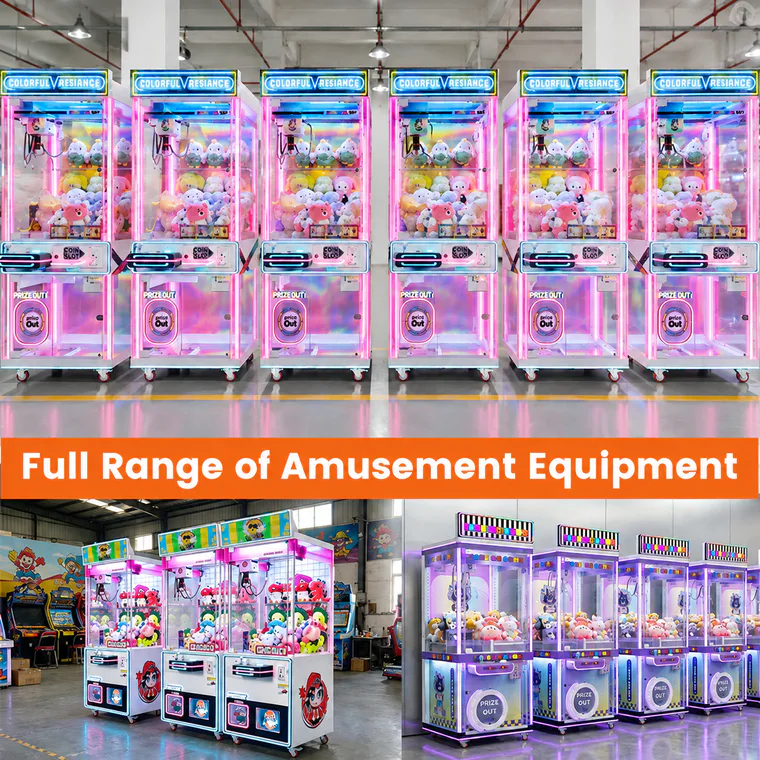
Arcade machines are valuable business assets, so equipment management should become part of daily operations.
Employees should understand basic equipment procedures, including checking machine status, reporting problems, and identifying unusual situations.
A simple reporting system helps managers know which machines require attention and prevents small issues from becoming larger problems.
Equipment records can include information about machine condition, repair history, replacement parts, and maintenance activities.
This information becomes useful when deciding whether equipment should be repaired, upgraded, relocated, or replaced.
For venues with many machines, organized equipment management can significantly improve operational efficiency.
It also helps managers communicate more effectively with equipment suppliers when technical support is required.
4. Manage Prize and Inventory Systems Effectively
For redemption arcades and family entertainment centers, prize management directly affects customer experience.
Operators need to maintain attractive prize selections while controlling inventory costs.
Good inventory management includes monitoring popular prizes, checking stock levels, preparing replacement items, and adjusting selections based on customer preferences.
A prize area that looks empty or outdated may reduce customer motivation to continue playing.
At the same time, overstocking unpopular prizes can create unnecessary inventory costs.
Regular inventory reviews help operators understand which prizes create stronger customer engagement.
The same principle applies to other operational supplies, including cleaning materials, machine consumables, and replacement components.
Organized inventory management helps the venue operate smoothly and reduces unnecessary expenses.
5. Create Communication Between Different Teams
A well-managed arcade depends on communication between employees, managers, and technical teams.
Front-line staff often discover customer feedback and equipment issues first. Managers need this information to make operational decisions.
A simple communication system can help share important information such as machine problems, customer complaints, popular attractions, inventory needs, and special events.
For larger venues, different departments may include customer service, maintenance, cleaning, management, and marketing teams.
When information moves efficiently between teams, problems can be handled faster.
Good communication also helps employees understand how their daily work contributes to the overall business performance.
6. Monitor Customer Feedback and Improve Services
Customer feedback provides valuable information about the performance of an arcade.
Operators should pay attention to customer comments about machine selection, venue environment, service quality, waiting times, and overall experience.
Feedback can come from direct conversations, online reviews, membership systems, surveys, or social media.
The purpose of collecting feedback is not only to solve complaints but also to discover improvement opportunities.
For example, customers may request new machine categories, different prize options, better seating areas, or improved payment convenience.
Successful entertainment venues continue adjusting based on customer needs instead of assuming the original setup will always remain effective.
Continuous improvement helps maintain customer interest over time.
7. Standardize Maintenance Communication
Maintenance efficiency depends not only on technical skills but also on communication procedures.
When a machine has a problem, staff should clearly record what happened, when it happened, and what symptoms were observed.
This information helps technicians or suppliers identify the problem faster.
A clear maintenance process may include problem reporting, technical evaluation, repair confirmation, and completion records.
For international operators, communication with suppliers is especially important because technical support may happen remotely.
Providing accurate information, photos, videos, or error descriptions can significantly improve troubleshooting efficiency.
A standardized process reduces unnecessary delays and helps keep equipment available for customers.
8. Use Operation Data to Improve Management
Daily operation creates valuable information that can support better decisions.
Managers can review equipment performance, customer traffic, maintenance records, inventory usage, and employee workflow to identify improvement opportunities.
The purpose of data analysis is not only measuring revenue. It also helps operators understand why certain areas perform better than others.
For example, some machines may perform well because of their location, while others may need relocation or promotion.
Data can also support future investment decisions by showing which equipment categories attract customers and which areas need improvement.
Combining operational experience with actual data helps create more effective management strategies.
9. Prepare the Arcade for Future Growth
A good operation system should support future expansion.
As an arcade grows, the number of employees, machines, customers, and daily tasks usually increases.
A management system that works for a small venue may need improvement when the business becomes larger.
Operators should regularly review procedures, employee training, equipment management, and customer service standards.
Future expansion may include adding new machines, opening additional locations, increasing entertainment zones, or introducing new technologies.
A structured operation system creates a stronger foundation for growth because the business can expand without losing service quality.
How EPARK Supports Arcade Operators
EPARK provides commercial entertainment solutions for FEC operators, arcade owners, distributors, and entertainment investors worldwide.
With more than 14 years of industry experience, EPARK supports customers with arcade machines, equipment selection, project planning, production, shipping, and after-sales assistance.
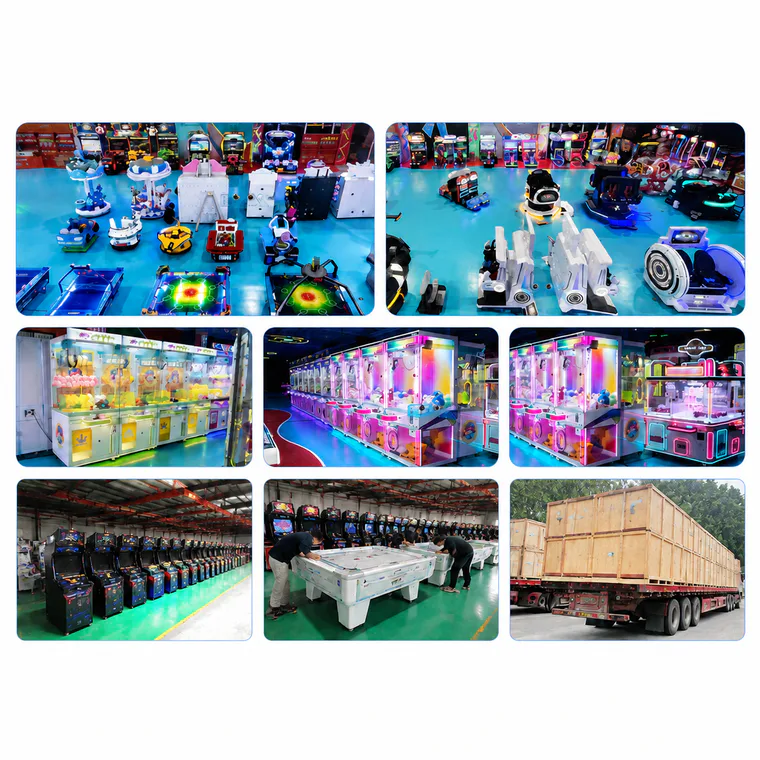
The company supplies arcade game machines, claw machines, redemption games, racing machines, shooting games, sports arcade equipment, VR equipment, kiddie rides, and complete FEC solutions.
For operators developing new entertainment venues or upgrading existing businesses, EPARK provides equipment knowledge and project experience to help create more practical and efficient entertainment environments.
FAQ
Why is an arcade management system important?+
An arcade management system helps operators organize daily workflows, improve staff efficiency, maintain equipment performance, and provide more consistent customer experiences.
What should arcade employees be trained on?+
Employees should understand customer service, machine operation basics, safety procedures, payment systems, venue rules, and how to report equipment problems.
How can arcade operators improve daily efficiency?+
Operators can improve efficiency through clear procedures, employee training, equipment management, inventory control, customer feedback collection, and regular performance reviews.
Conclusion
A successful arcade business depends on more than the machines installed inside the venue.
Effective management systems help operators maintain service quality, improve employee efficiency, reduce operational problems, and create better customer experiences.
By building clear procedures and continuously improving daily operations, FEC owners and arcade managers can create more stable and scalable entertainment businesses.