How to Choose the Right Location for an Arcade or FEC
A practical guide to choosing an arcade or FEC location by evaluating foot traffic, visibility, rent, competition, access, venue conditions, and local demand.
Introduction
Choosing the right location is one of the most important decisions when starting an arcade or family entertainment center. A strong location can create consistent customer traffic and support long-term business growth.
However, high foot traffic alone does not guarantee a successful entertainment venue. The quality of visitors, visibility, accessibility, surrounding businesses, rental conditions, and available space all influence the potential of a location.
For FEC investors, arcade owners, shopping mall developers, and entertainment operators, location planning should take place before equipment purchasing and detailed venue design.
This guide explains the main factors to evaluate when choosing a location for an arcade or FEC and how to connect location decisions with long-term business requirements.
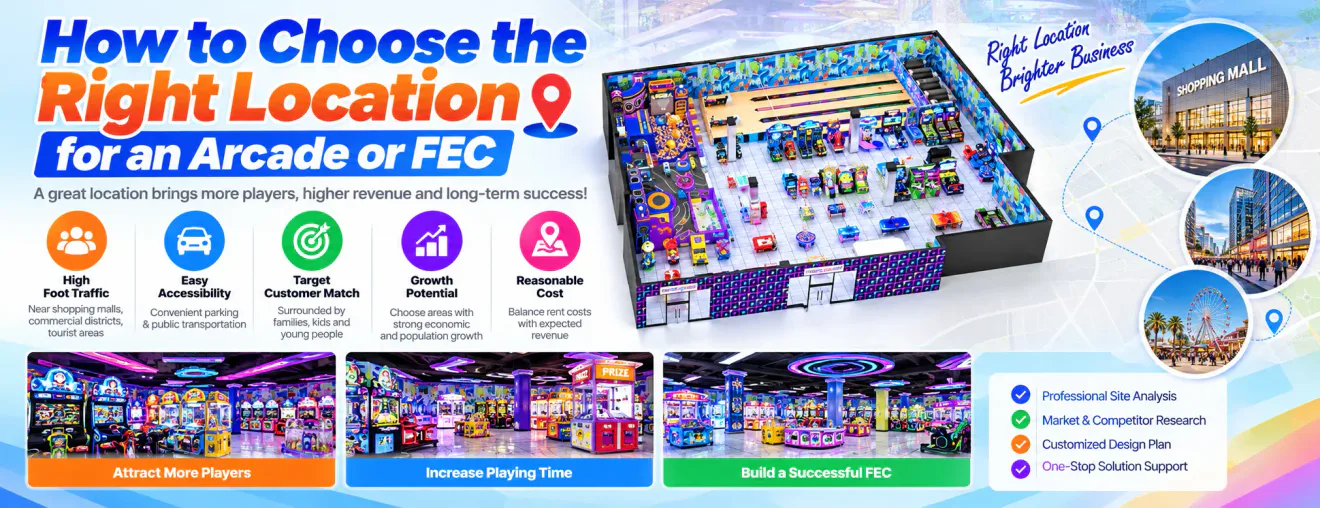
1. Start With Your Target Customers
The right location should match the people you want to attract. Before comparing properties, investors should clearly define the target customers for the entertainment business.
A family-oriented FEC may depend heavily on parents with children, while a youth-focused arcade may attract teenagers and young adults after school, in the evening, and during weekends.
Customer behavior can also vary depending on whether the venue is designed for local residents, shopping mall visitors, tourists, or a combination of different groups.
The surrounding population is therefore more important than simply counting the number of people passing a location. Investors should understand whether those people are potential customers for the planned entertainment concept.
The distance customers are willing to travel can also vary by business type. A small arcade may depend heavily on nearby visitors, while a larger FEC may attract customers from a wider area.
Understanding the target market helps investors determine which neighborhoods, commercial districts, shopping areas, and entertainment destinations are worth investigating.
A location should ultimately be evaluated according to its ability to connect the planned entertainment concept with the customers most likely to use it.
2. Evaluate Foot Traffic and Visibility
Foot traffic is an important consideration, but investors should look at the quality and timing of that traffic rather than relying on one simple number.
A location may have heavy pedestrian movement during working hours but limited traffic during the evening and weekends when an entertainment venue may receive more customers.
Observing the location at different times can provide a more realistic picture. Weekdays, weekends, daytime periods, evenings, and holidays may all show different customer patterns.
Visibility is equally important. Customers need to notice the venue and understand what type of entertainment it provides.
Locations near major entrances, popular corridors, escalators, food areas, cinemas, or other high-traffic destinations may offer stronger visibility depending on the property.
The storefront, signage opportunities, entrance direction, and distance from main pedestrian routes should therefore be reviewed during the site evaluation.
A highly visible location can reduce the amount of effort required to introduce the venue to potential customers because the entertainment concept is easier to discover.
3. Study the Surrounding Business Environment
An arcade does not operate independently from its surroundings. Nearby businesses can influence customer traffic and the reasons people visit the area.
Shopping malls, cinemas, restaurants, supermarkets, family attractions, retail stores, and other leisure businesses may create complementary traffic for an arcade or FEC.
Direct competitors should also be identified before signing a lease. Competition is not automatically negative, but investors should understand how nearby entertainment venues position themselves.
A location with several entertainment businesses may already attract customers who are interested in leisure activities. This can create opportunities if the new venue offers a different experience.
On the other hand, a location surrounded by businesses with completely different customer profiles may require more independent marketing effort.
Investors should study what customers already do in the surrounding area and whether the proposed arcade can become part of their existing visit.
The broader commercial environment can therefore provide important clues about whether a location has natural demand for entertainment.
4. Compare Rent With Business Potential
Rental cost is one of the most important financial considerations when evaluating an arcade location.
A highly visible property may attract many visitors but become difficult to operate if the occupancy cost is not compatible with the expected business performance.
Investors should therefore compare rent with the potential customer base, usable floor area, expected operating hours, and planned equipment mix.
The quoted rent should also be reviewed together with other property costs. Service charges, deposits, common-area fees, utilities, renovation requirements, and other contractual expenses can affect the actual cost of occupying the venue.
Lease conditions are equally important. Investors should understand the lease period, renewal options, rent adjustments, permitted business activities, and conditions for renovation.
A suitable location should provide enough commercial opportunity to justify its occupancy cost without putting excessive pressure on the rest of the investment plan.
The objective is not to find the cheapest property, but to find a location where the commercial potential and occupancy cost are reasonably balanced.
5. Check Access, Parking, and Transportation
Accessibility can strongly influence whether customers decide to visit an entertainment venue.
Families may value convenient parking and easy access, while younger customers may depend more heavily on public transportation and pedestrian routes.
Investors should consider how customers will reach the venue from nearby residential areas, shopping districts, public transportation stations, and major roads.
Parking availability can be particularly important for larger family entertainment centers because customers may stay for longer periods and visit with children.
The location should also be convenient for employees who need to travel to work regularly. Staff accessibility can become an important operational consideration after the venue opens.
Delivery access should not be forgotten. Arcade machines can be large and heavy, so the property needs a practical method for receiving equipment and other supplies.
A location that is easy for customers to reach but difficult for equipment delivery can create problems during installation and future equipment replacement.
6. Verify the Physical Conditions of the Venue
A property may look attractive during a first visit but still have physical limitations that affect an arcade project.
Investors should examine the usable floor area rather than relying only on the advertised property size. Columns, walls, fixed structures, stairways, service areas, and other obstacles can reduce the actual usable space.
Ceiling height should also be considered because some arcade machines, racing attractions, and immersive entertainment equipment require sufficient vertical clearance.
Electrical capacity is another important factor. Commercial entertainment equipment can require substantial power, and the existing electrical infrastructure should be evaluated before the lease is finalized.
Ventilation, air conditioning, lighting, flooring, fire safety systems, emergency exits, and other building conditions should also be reviewed.
The location should provide practical access for future maintenance and equipment replacement, not only for the initial installation.
Checking these conditions before signing a lease can help investors identify additional construction requirements and avoid unexpected project costs.
7. Match the Location With the Equipment Strategy
The location and equipment mix should support each other. A property should not be selected without considering what types of arcade equipment the business intends to operate.
A compact urban location may favor machines that provide strong entertainment value without requiring large amounts of floor space.
A large suburban FEC may have more opportunities to include racing simulators, VR attractions, redemption games, claw machines, children's attractions, and larger interactive equipment.
Customer demographics also influence equipment selection. A location surrounded by families may support a different product mix from an area dominated by students or young professionals.
The noise level and visual impact of certain attractions should also be considered in relation to neighboring businesses and property restrictions.
The location can also influence the desired equipment investment. A premium commercial area may require a different business model from a lower-cost community location.
Planning equipment and location together creates a more realistic foundation for the final entertainment concept.
8. Review Local Requirements Before Signing
Every property has its own commercial conditions, and investors should confirm whether the planned entertainment business is permitted before committing to a lease.
Local requirements may affect operating hours, signage, noise levels, fire safety, customer capacity, electrical work, renovation, and other aspects of the venue.
Landlord requirements should also be reviewed. Some properties may have restrictions on exterior signage, wall modifications, electrical changes, operating hours, or equipment installation.
Investors should understand who is responsible for different types of construction and property improvements.
It is also useful to confirm whether the property has previously operated as an entertainment venue. Existing infrastructure may reduce preparation work, although its current condition still needs to be verified.
Professional advice from local property, legal, or regulatory specialists may be appropriate when requirements are unclear.
Confirming these issues early reduces the risk of discovering that a promising location cannot support the planned business model.
9. Compare Shortlisted Locations Before Making a Decision
After several potential properties have been identified, investors should compare them using the same criteria.
Instead of choosing a location based on first impressions, evaluate customer demand, visibility, access, surrounding businesses, occupancy cost, physical conditions, and future business potential together.
It can be useful to visit each shortlisted property more than once and observe how customer traffic changes throughout the day.
Investors should also imagine how customers will experience the venue from arrival to departure. Consider where they will enter, what they will see first, how easily they can find the entertainment area, and whether the location encourages longer visits.
The planned equipment mix should then be tested against the physical conditions of each property.
A location that appears attractive financially may become less suitable if it cannot accommodate the desired equipment or requires extensive renovation.
The final decision should therefore be based on the complete business picture rather than one attractive feature.
How EPARK Supports Arcade Project Planning
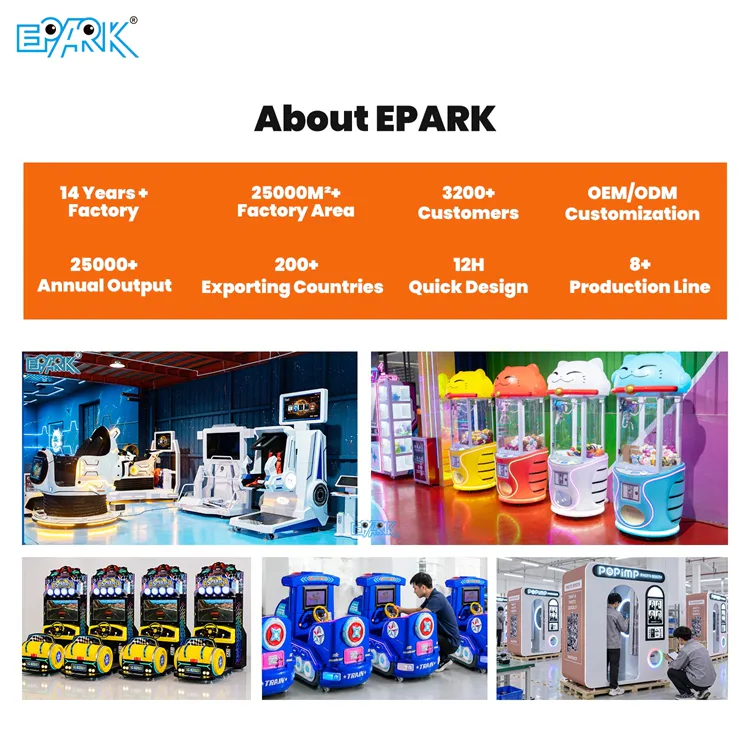
EPARK is a professional arcade machine manufacturer based in Guangzhou, China, with more than 14 years of industry experience.
EPARK provides commercial entertainment equipment for FEC operators, arcade owners, distributors, importers, wholesalers, and entertainment investors.
The product range includes arcade game machines, racing machines, shooting games, claw machines, redemption games, sports arcade equipment, VR equipment, kiddie rides, and complete FEC solutions.
For customers evaluating a new venue, equipment requirements can be considered together with available space, target customers, entertainment concept, and operating goals.
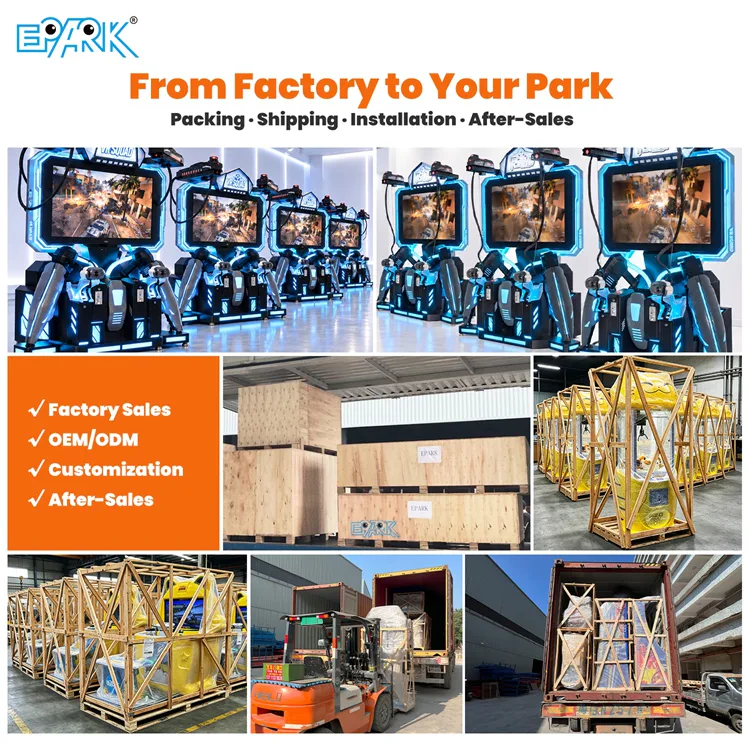
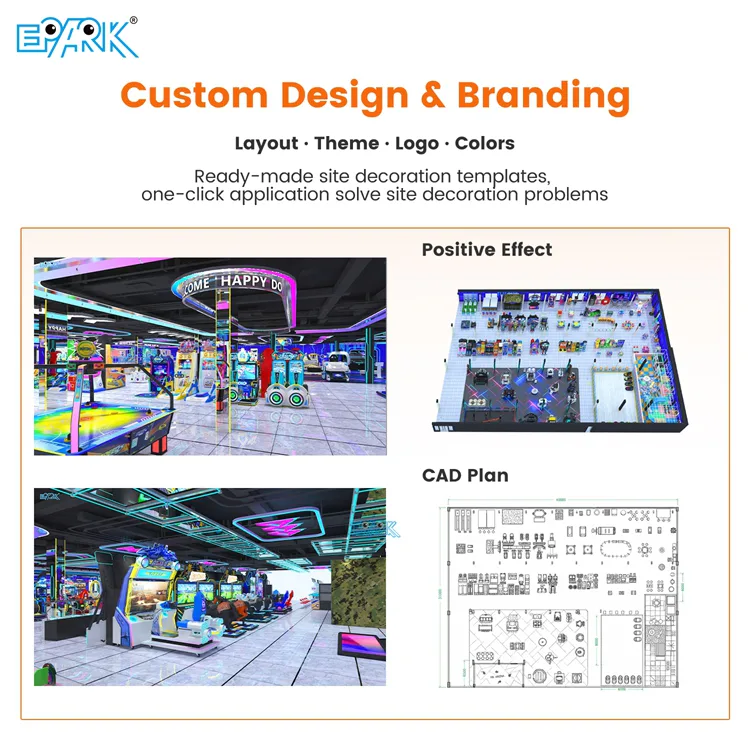
EPARK can also support equipment selection, quantity planning, layout suggestions, customization, production, testing, shipping, installation guidance, spare-parts support, and after-sales service.
Discussing the venue requirements before final equipment selection can help investors understand whether the planned machine combination is suitable for the property.
This approach allows location planning and equipment planning to work together instead of treating them as completely separate decisions.
FAQ
What is the most important factor when choosing an arcade location?+
There is no single factor that determines whether a location will succeed. Target customers, quality of foot traffic, visibility, accessibility, occupancy cost, surrounding businesses, and venue conditions should be evaluated together.
Is a shopping mall always the best location for an FEC?+
Not necessarily. Shopping malls can provide strong customer traffic, but the commercial terms, competition, available space, operating restrictions, and target market must also match the planned business model.
Should I choose the location before buying arcade machines?+
Yes. Location conditions influence the equipment mix, machine quantity, layout, installation requirements, and overall investment. It is usually better to understand the venue before finalizing a major equipment order.
Conclusion
Choosing an arcade or FEC location is a business decision rather than simply a real estate decision.
The strongest location is not always the one with the highest foot traffic or the lowest rent. It is the location that provides a suitable combination of customer demand, visibility, accessibility, commercial conditions, physical space, and long-term potential.
By evaluating the market and venue before purchasing equipment, investors can make more informed decisions about their entertainment concept and equipment strategy.
Careful location planning can reduce unnecessary project risks and create a stronger foundation for a successful arcade or FEC business.