How to Evaluate an Arcade Game Machine Factory Before Buying
Learn how to evaluate an arcade game machine factory by checking production capacity, quality control, customization, delivery, and after-sales support.
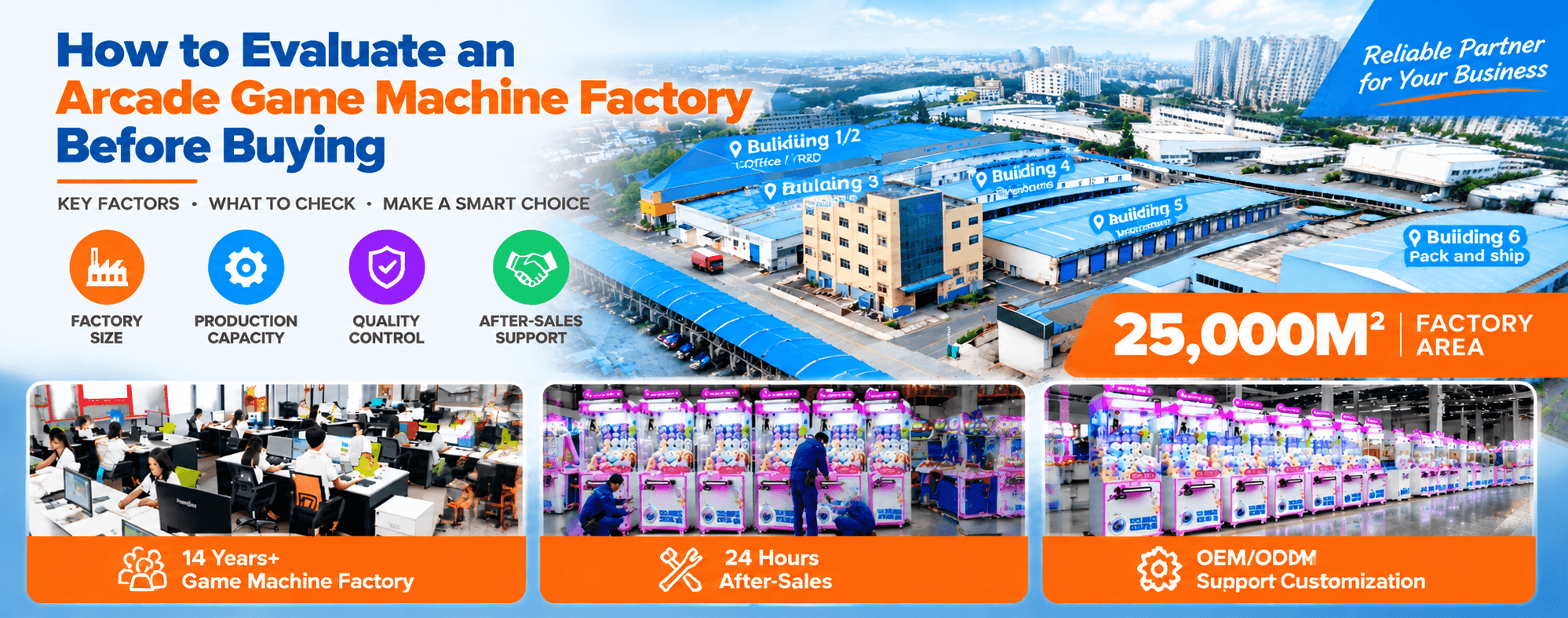
Choosing the right arcade game machine factory is one of the most important decisions when starting or expanding a family entertainment center, arcade, amusement venue, shopping mall play zone, or game machine distribution business. For commercial buyers, attractive cabinet designs and competitive prices are only part of the decision. Production capability, quality control, spare parts availability, customization, delivery management, and after-sales service can have a much greater impact on the long-term performance of an arcade business.
Whether you are an FEC operator, arcade owner, distributor, importer, wholesaler, or entertainment project investor, evaluating the manufacturer carefully before placing an order can reduce purchasing risks and make future operations easier.
1. Check the Factory's Real Production Capability
A professional arcade equipment supplier should have more than a product catalog or showroom. Buyers should understand whether the supplier has real manufacturing, assembly, testing, warehousing, and packaging capabilities. When visiting a factory in person or through a video call, look at the production workshop, assembly stations, component storage areas, testing areas, finished-product warehouse, packaging area, and showroom.
Production capacity becomes especially important when purchasing equipment for a complete FEC project. Ordering 30, 50, or even 100 machines requires much stronger supply-chain management than purchasing one or two machines. Ask the manufacturer about normal production lead times, monthly capacity, peak-season schedules, and how large orders are managed. A stable manufacturing system can help avoid delays when an entertainment center has a fixed opening date.
2. Evaluate the Product Range
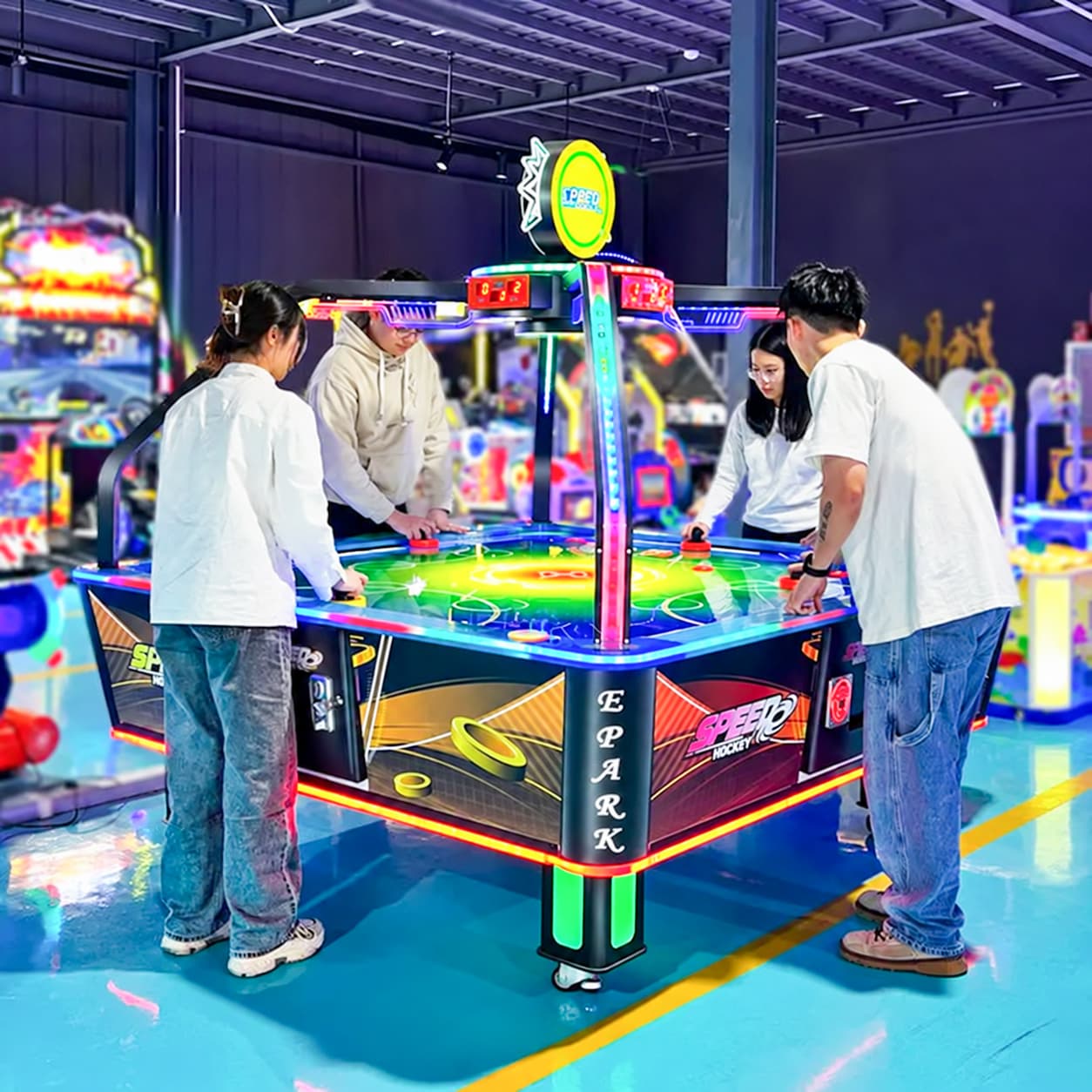
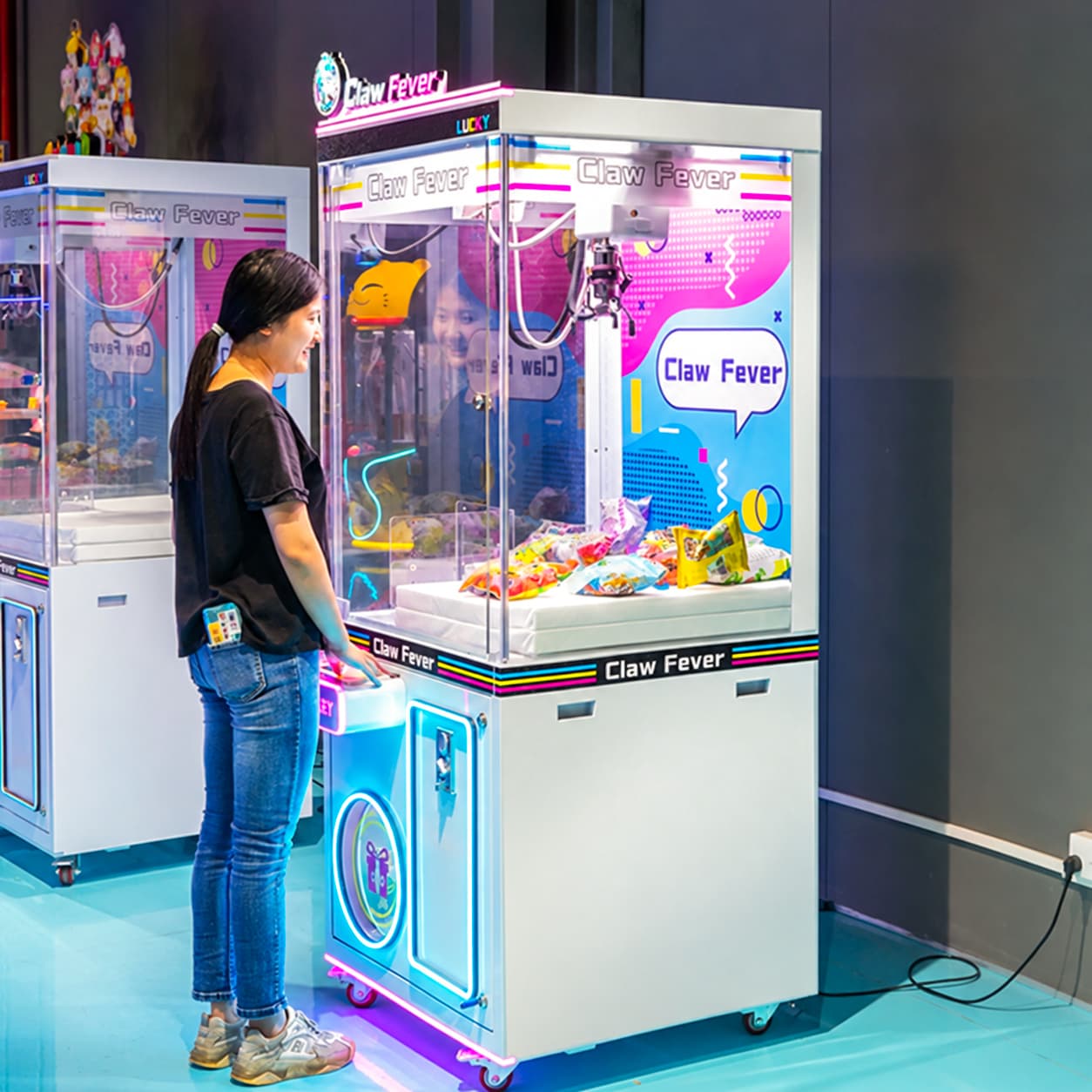
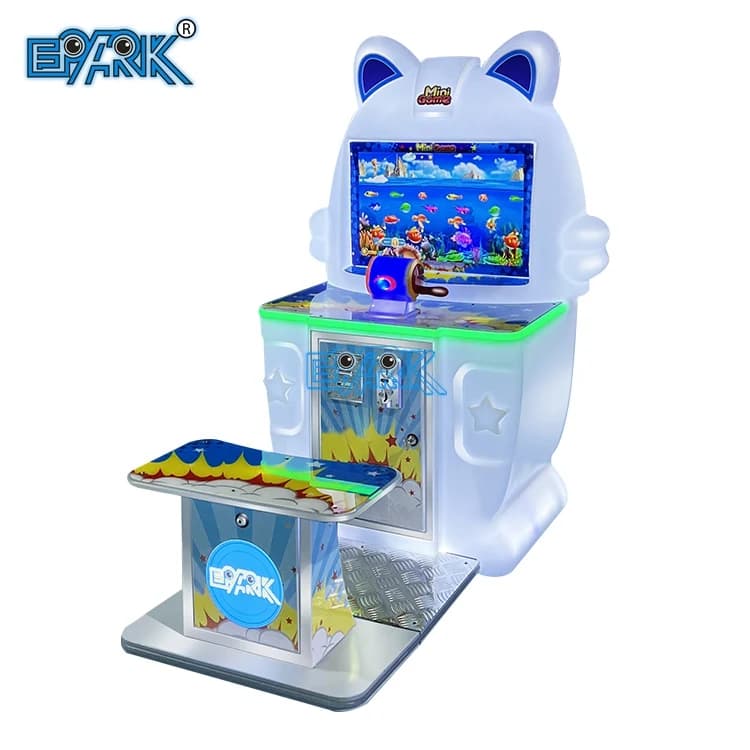
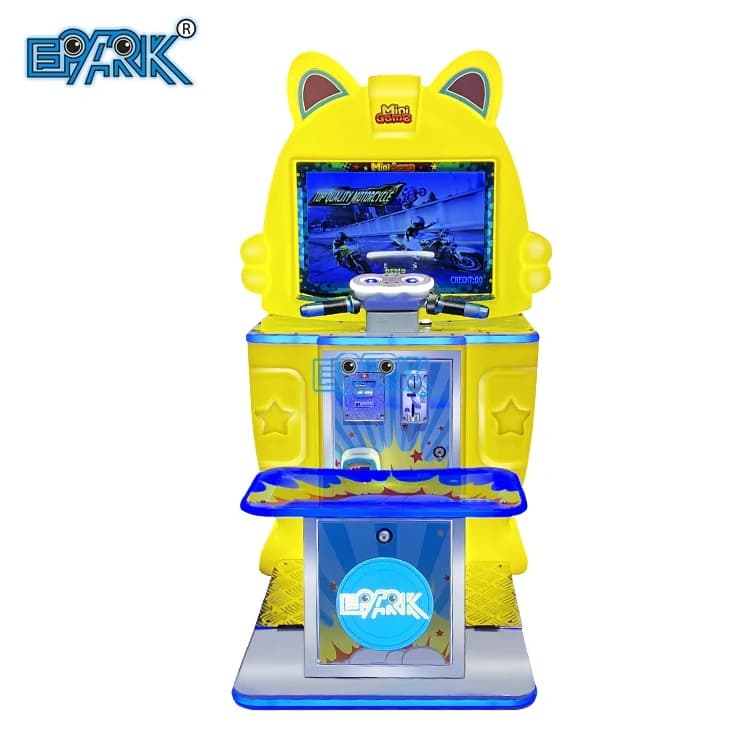
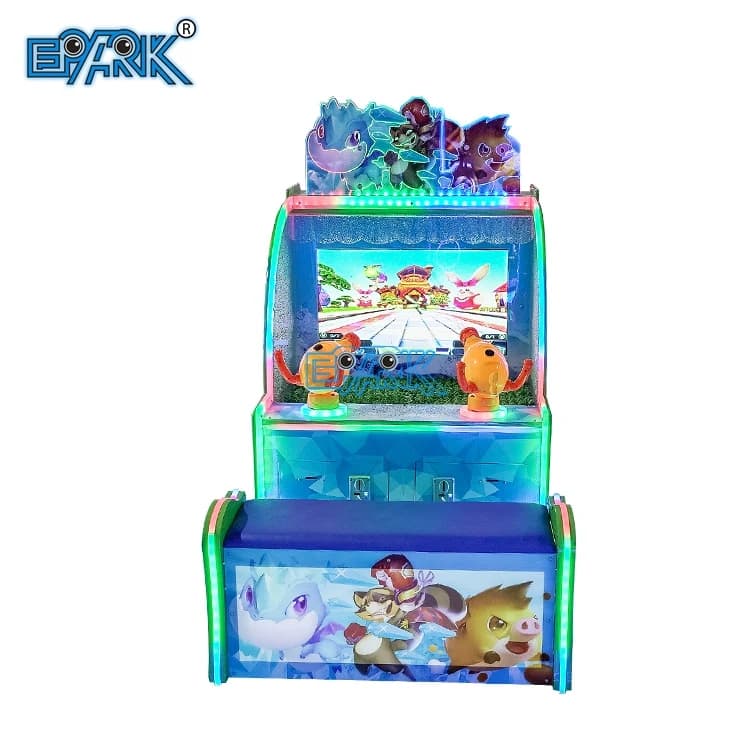
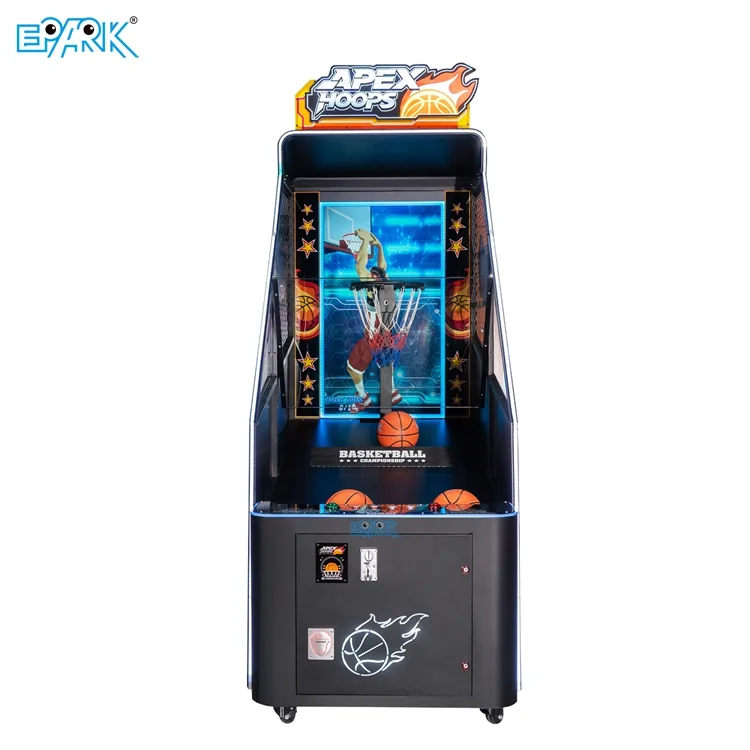
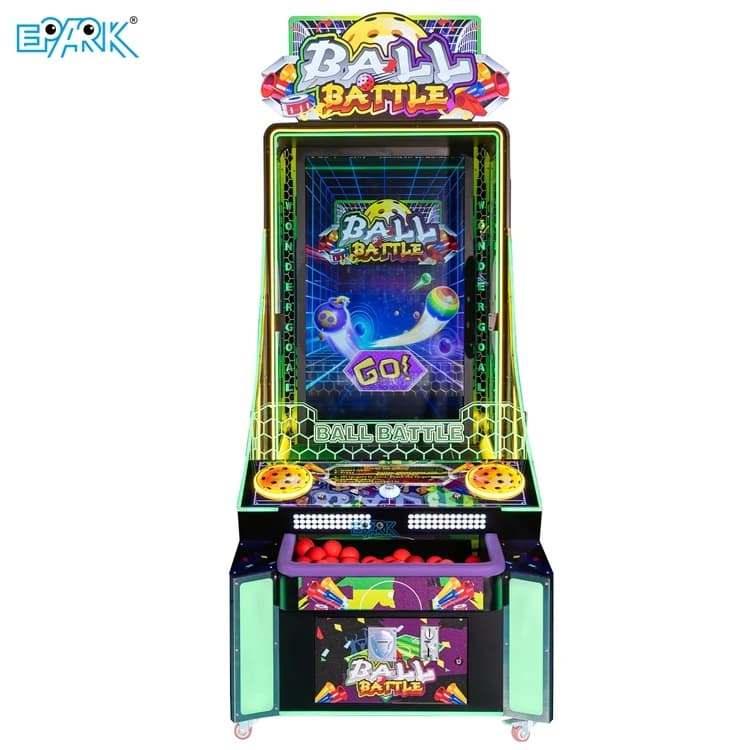
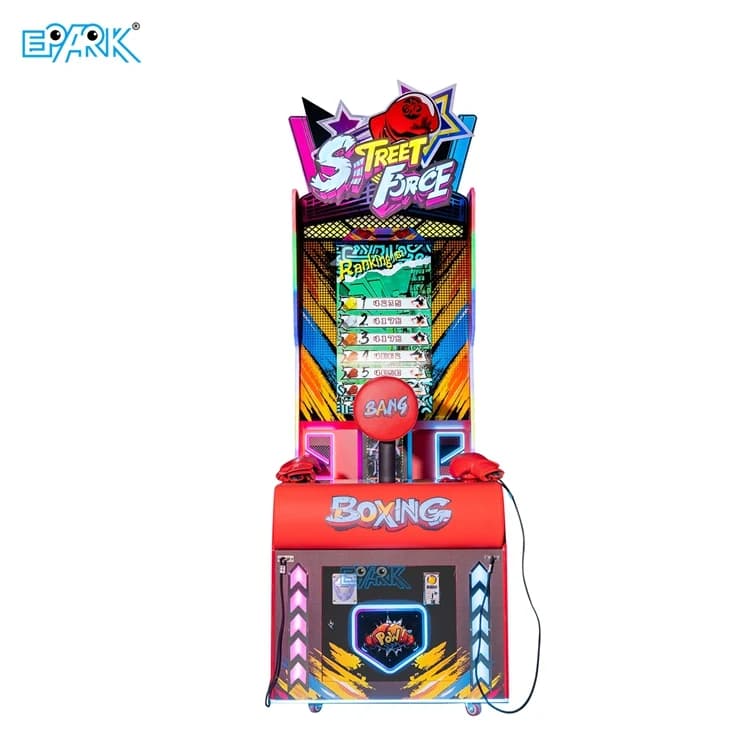
Different entertainment venues need different game mixes. A family entertainment center may require racing games, shooting games, claw machines, redemption games, basketball machines, air hockey tables, kiddie rides, VR equipment, and other attractions. Working with a manufacturer that offers multiple categories can simplify purchasing and project management.
Instead of coordinating with many different suppliers, buyers can combine equipment into fewer shipments and maintain more consistent communication regarding production, spare parts, technical support, and installation. However, a large catalog alone is not enough. Buyers should also check whether the manufacturer has experience producing the categories most relevant to their target market. For example, an arcade focused on teenagers may require a very different machine mix from a children's entertainment center or prize arcade.
3. Understand the Quality Control Process
Commercial arcade machines may operate for many hours every day, so quality control should be evaluated carefully before purchasing. A reliable arcade machine manufacturer should inspect machines during several stages of production rather than only checking the finished cabinet.
Important areas include:
- Cabinet construction
- Wiring and power supplies
- Screens and controls
- Sensors and lighting systems
- Game boards and moving mechanisms
- Payment systems
- Safety components
Finished machines should also undergo functional testing before packing. For machines with moving platforms, motorcycles, racing seats, VR motion systems, prize mechanisms, or redemption functions, repeated testing is particularly important. Ask suppliers whether they can provide factory testing videos, inspection photos, QC records, or pre-shipment videos. These materials can help international buyers confirm the condition of the equipment before loading.
4. Check Customization Options
Customization is important for distributors, FEC operators, and entertainment projects serving different markets. Commercial arcade machines may need different electrical specifications, payment systems, languages, cabinet graphics, logos, or configurations depending on the destination country.
Before ordering, confirm whether the supplier can support:
- Voltage and plug standards
- Coin or token systems
- Card payment compatibility
- Language settings
- Branding and cabinet appearance
- Venue-specific configurations
For larger projects, customization may also involve machine selection rather than changing individual machines. A professional supplier should be able to recommend a combination of games based on the venue size, customer age group, operating model, and investment budget.
5. Review Certifications and Export Documentation
International buyers should confirm which certifications and documents are available for their destination market. Requirements can vary between countries, so buyers should always check their local import and safety regulations.
Common documentation within the amusement equipment industry may include:
- CE
- RoHS
- ISO 9001 quality-management documentation
- Product manuals
- Packing lists
- Commercial invoices
- Shipping information
Documentation is particularly important for distributors and importers that regularly clear containers through customs. An experienced export supplier should also understand container loading, packing requirements, and common international shipping procedures.
6. Ask About FEC Planning Support
Buying individual arcade machines and building an entire entertainment center are two very different projects. For a new FEC, equipment selection should be coordinated with venue layout, customer flow, available floor space, power requirements, game categories, age groups, and the overall operating concept.
A manufacturer with project-planning experience can provide more than machines. The project process may include:
- Reviewing the floor plan
- Preparing a 2D layout
- Creating a 3D venue design
- Recommending equipment quantities
- Adjusting machine placement
- Preparing a complete quotation
This helps investors visualize the project before purchasing equipment and can reduce common problems such as overcrowded aisles, poor machine placement, unbalanced game categories, or insufficient space around interactive machines.
7. Evaluate After-Sales Support
After-sales service is especially important when purchasing equipment internationally. Even good commercial machines may eventually require adjustment, maintenance, software assistance, or replacement parts. Before placing an order, understand the warranty terms and how technical support is provided.
Ask whether the supplier can provide:
- Remote troubleshooting
- Operation manuals
- Maintenance videos
- Replacement parts
- Spare-parts packages
- Installation assistance
You should also understand how quickly common parts can be supplied. For an FEC operator, a machine that remains out of service for several weeks can directly affect revenue and the customer experience. Therefore, spare-parts availability should be considered part of the purchasing decision rather than something to discuss only after a problem occurs.
8. Check Packaging and Shipping Experience
Arcade machines are large commercial products containing screens, electronic components, acrylic panels, metal cabinets, decorative parts, and sometimes motion systems. Professional packaging is therefore essential for international transportation.
Before shipment, machines should be secured carefully to reduce movement and impact during transportation. Sensitive areas such as displays, control panels, seats, decorative structures, and moving components require additional protection. For larger projects, efficient container loading is also important. A manufacturer experienced in international exports should be able to provide packing information and help buyers estimate container requirements before the order is completed, allowing buyers to calculate the total landed cost more accurately.
9. Questions to Ask Before Choosing a Factory
Before placing a commercial order, buyers should clarify several important points with the supplier:
- Are the machines manufactured and tested at your own facility?
- What is the normal production lead time?
- Can you provide factory and pre-shipment inspection videos?
- Which certifications are available for my market?
- Can voltage, payment systems, language, and branding be customized?
- What warranty and technical support are included?
- How quickly can spare parts be supplied?
- Can you provide arcade or FEC layout and equipment planning support?
The answers can reveal much more about a supplier than simply comparing machine prices.
What Buyers Can Expect From EPARK
EPARK is a commercial amusement equipment manufacturer based in Guangzhou, China, with more than 14 years of industry experience. Our manufacturing base covers approximately 25,000 square meters, supported by a 3,000-square-meter showroom where buyers can inspect and experience different categories of commercial entertainment equipment.
EPARK supplies arcade and amusement equipment to customers in more than 100 countries, serving FEC operators, amusement centers, distributors, wholesalers, importers, shopping mall projects, and entertainment investors. Our product range covers commercial arcade machines, claw and prize machines, racing games, shooting games, sports arcade machines, redemption games, VR equipment, kiddie attractions, bowling solutions, and complete FEC projects.
For project customers, the service process can include venue analysis, 2D planning, 3D design, equipment recommendations, quotation, production, quality inspection, packing, shipping, installation guidance, and after-sales support. This one-stop approach is designed to help buyers manage complex entertainment projects through a single supplier.
Factory Price Should Not Be the Only Decision Factor
Price is always important when purchasing commercial arcade equipment, but the lowest quotation does not necessarily result in the lowest operating cost. Machine stability, spare-parts availability, technical support, production consistency, packaging quality, and delivery reliability can all affect the total cost of ownership.
For distributors, reliable equipment can reduce customer complaints and after-sales pressure. For FEC operators, stable equipment means higher machine availability and fewer interruptions during business hours. A better purchasing strategy is therefore to compare the complete value provided by each manufacturer rather than evaluating suppliers only by unit price.
Visit the Factory Whenever Possible
For large orders or complete FEC projects, visiting the supplier can be extremely useful. A factory visit allows buyers to inspect manufacturing conditions, test machines, meet the technical and sales teams, compare different products, and discuss customization directly.
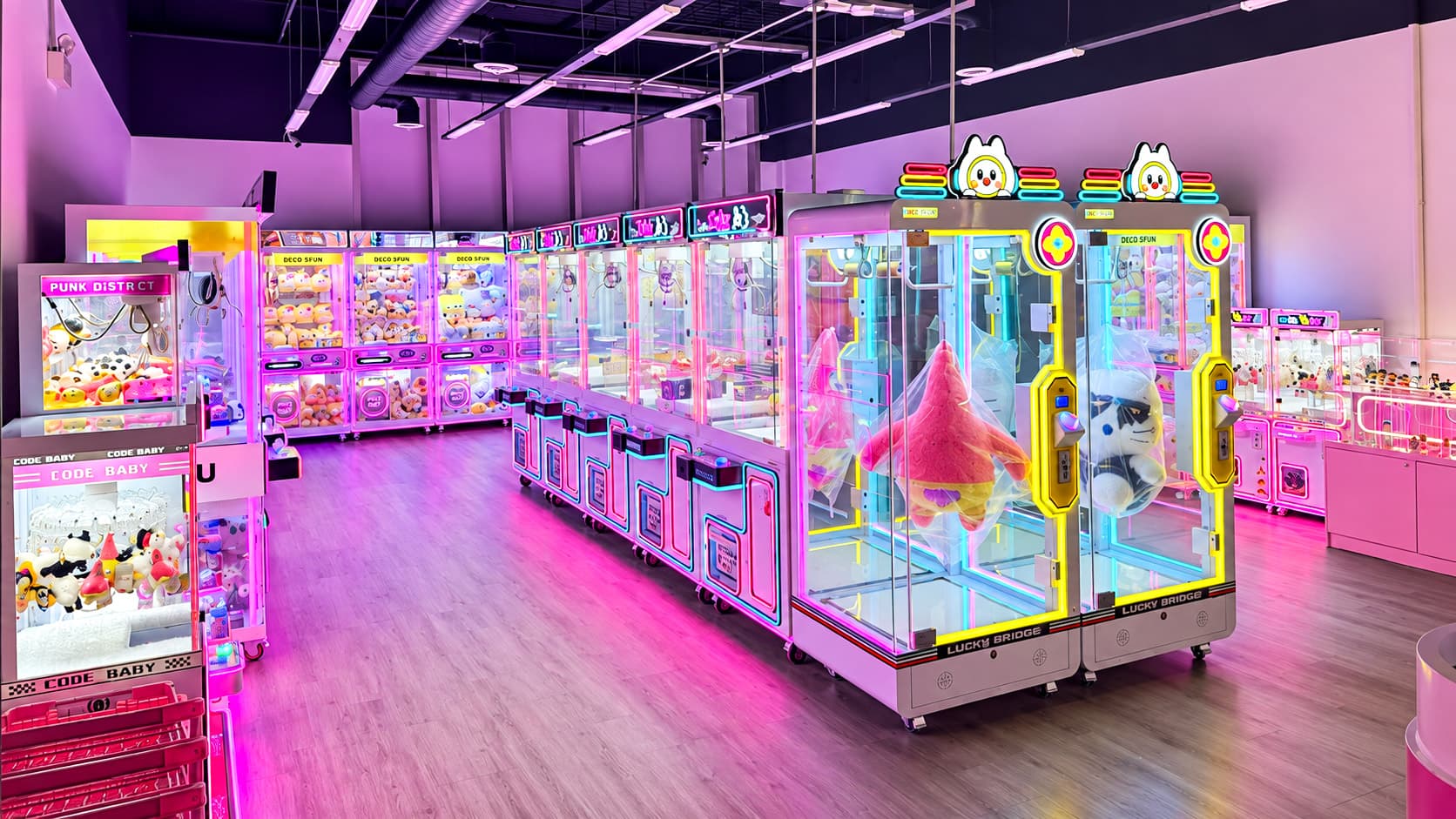
If an on-site visit is not practical, request a live video factory tour. A genuine supplier should normally be able to show its production areas, showroom, warehouse, testing process, and available machines through a real-time video call.
FAQ
How do I know if an arcade machine supplier is a real factory?+
Ask for live factory videos, workshop photos, production-process information, business documentation, product testing videos, and a real-time video tour. For larger orders, an on-site factory visit is also recommended.
What should I check before buying arcade machines from China?+
Check production capability, product quality, certifications, customization options, voltage requirements, payment systems, warranty, spare parts, packaging, shipping experience, and after-sales technical support.
How long does arcade machine production take?+
Production time depends on machine quantity, customization, order complexity, and factory workload. For larger projects, buyers should confirm the production schedule before paying the deposit and leave additional time for inspection and international shipping.
Can an arcade game machine factory help design an FEC?+
Some manufacturers provide complete FEC planning services, including floor-plan analysis, 2D layouts, 3D design, equipment selection, quantity planning, quotations, production, shipping, and installation support.
Conclusion
Selecting the right arcade game machine factory is not simply about finding attractive machines at a competitive price. A reliable manufacturing partner should demonstrate stable production capability, clear quality-control procedures, strong customization support, international shipping experience, spare-parts availability, and dependable after-sales service.
For new FEC projects in particular, working with a manufacturer that can provide equipment selection and venue planning can simplify the entire purchasing process. Before placing your next order, compare factories carefully, ask detailed questions, inspect the production process, and evaluate the supplier's ability to support your business after the machines have been delivered.
For EPARK, the goal is not only to supply commercial arcade equipment, but also to help operators, distributors, and entertainment investors build practical and sustainable amusement projects.