How to Expand an Arcade Without Disrupting Operations
Learn how to plan an arcade expansion with new equipment, phased installation, realistic budgets, and minimal disruption to daily venue operations.
Introduction
Expanding an established arcade or family entertainment center can create new opportunities, but it also introduces risks that are different from opening a venue for the first time. Existing customers, staff, machines, and operating schedules must continue to be considered while new attractions are planned.
An arcade expansion may involve replacing older cabinets, adding a new game category, creating a dedicated entertainment zone, or taking over additional floor space. Each option has different requirements for investment, installation, and customer communication.
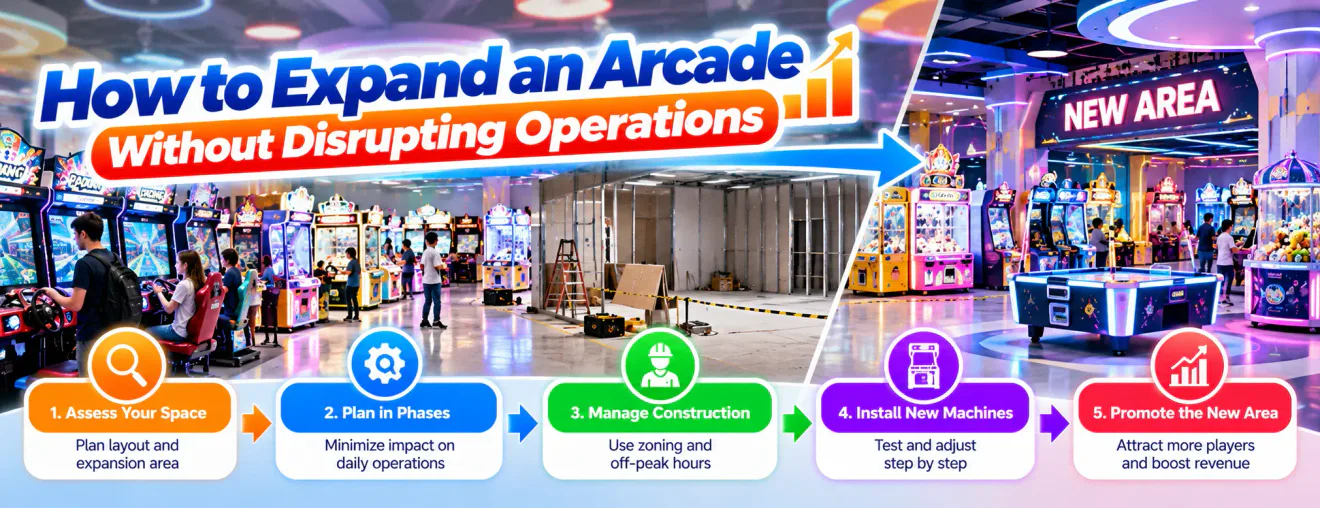
This guide explains how operators can plan an arcade expansion around real venue performance, practical equipment choices, construction requirements, and a phased schedule. The objective is to improve the venue without creating unnecessary disruption to its existing business.
Assess the Current Arcade Before Expanding
Review Existing Equipment Performance
Start with the machines already installed. Review available play counts, revenue records, service history, customer feedback, and usage patterns to understand which attractions are meeting their intended purpose. A machine with strong visitor interest may deserve more space, while an underused category may need a different approach.
Look beyond a single busy weekend. Compare different periods and consider seasonal demand, school holidays, and local events. This gives a more reliable starting point for deciding whether the venue needs more capacity, a different mix of games, or improvements to its current operating arrangements.
Identify Operational Constraints
Walk through the venue during both quiet and busy periods. Observe entrances, circulation routes, queues, prize areas, maintenance access, and places where customers tend to gather. Existing congestion may become more difficult if additional machines are installed without changing the layout.
Discuss daily problems with floor staff and technicians. Their observations may reveal limited storage, inconvenient service access, insufficient power outlets, or customer areas that need attention before expansion. Resolving these constraints can be more valuable than simply increasing the number of machines.
Set Clear Goals for the Expansion
Define the Visitors You Want to Serve
Determine whether the expansion is intended to attract new customer groups or offer more choices to existing visitors. A family-oriented venue may consider attractions for different age groups, while a youth-focused arcade may explore multiplayer games, sports challenges, or immersive experiences.
Use actual customer feedback and local market observations to support the decision. Adding a product category because it is popular elsewhere does not necessarily mean it will suit your venue. The planned experience should match the audience, location, and business concept.
Establish Measurable Objectives
Decide what success would look like before ordering equipment. Relevant measures may include utilization of new machines, customer participation, repeat visits, operating costs, or the performance of a particular entertainment zone. Choose indicators that can realistically be recorded by the business.
Set a review period and document the assumptions behind the project. An expansion may take time to establish demand, so results should be interpreted alongside marketing activity, seasonal patterns, and the cost of new equipment. Avoid treating a projected return as a guaranteed outcome.
Choose the Right Expansion Approach
Upgrade the Existing Footprint
Some venues can improve their offer without increasing floor area. Replacing an outdated machine, rearranging a category, or introducing a more suitable attraction may help the operator use existing space more effectively. This approach can also limit the need for major building work.
Before removing equipment, consider whether the machine can be relocated, sold, retained as a secondary attraction, or taken out of service. Check how the proposed replacement affects player clearance, access routes, payment systems, and staff supervision. A compact footprint is useful only when the equipment remains practical to operate.
Add a New Zone or Additional Space
A larger expansion may involve a new room, an adjacent retail unit, or a dedicated VR, racing, or family entertainment area. This creates opportunities for a different visitor experience but may also require changes to electrical distribution, network connections, entrances, and staffing.
Review lease conditions, building permissions, accessibility, and fire-safety requirements before committing to the new area. The cost of connecting it to the existing venue can be significant. Equipment planning and site feasibility should therefore develop together rather than as separate decisions.
Check Space and Infrastructure Requirements
Confirm Measurements and Access
Prepare an updated floor plan showing existing machines, proposed equipment, structural columns, doors, storage, and circulation routes. Obtain installed dimensions and operating clearances for each selected machine, not only the measurements of its cabinet.
Consider how large equipment will enter the building. Delivery routes, elevators, door widths, loading access, and any required disassembly can affect whether a machine can be installed. Confirm these conditions before the purchase order is finalized to avoid expensive changes after shipment.
Review Electrical and Network Capacity
New attractions may increase electrical demand or require additional data connections. Collect the rated electrical specifications and connectivity requirements for the selected models. A qualified local professional should assess circuit capacity, protection, grounding, and compliance with applicable regulations.
If the venue uses centralized card payments or other network-dependent systems, check how new equipment will connect. Confirm compatibility with the machine supplier and payment provider before production. A working network plan should also allow staff to isolate and troubleshoot problems without unnecessarily affecting other machines.
Select Equipment That Adds Value
Fill Gaps in the Entertainment Mix
Compare the current game categories with the experiences customers are requesting. A venue dominated by single-player cabinets may consider social or multiplayer attractions, while a family-oriented FEC may benefit from a broader mix of accessible games, redemption equipment, and children's activities.
Every proposed machine should have a clear role. Consider player capacity, session length, space requirements, target age group, and how it complements nearby attractions. Avoid purchasing several machines that offer nearly identical experiences unless there is evidence of sufficient demand for that capacity.
Consider Compatibility and Maintenance
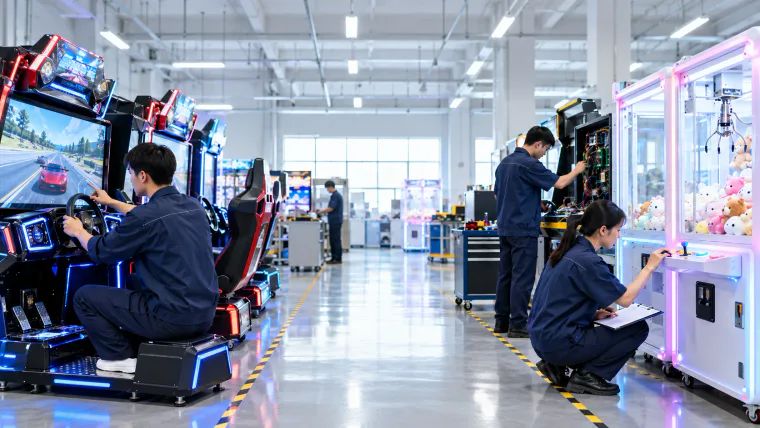
Check payment options, voltage, available language settings, control functions, and installation requirements for each model. Existing staff should be able to operate the new equipment with suitable training, and the maintenance team should understand the additional service needs.
Ask about manuals, model-specific spare parts, warranty conditions, and technical assistance. Equipment that fits the entertainment concept but cannot be supported effectively may create ongoing operational difficulties. Record the agreed configuration in writing before confirming an order.
Build a Realistic Expansion Budget
Include Costs Beyond Machine Prices
The budget may include equipment, freight, import charges, local delivery, unloading, installation, electrical work, network changes, decoration, signage, staff preparation, and launch marketing. Some expenses will depend on whether the project uses existing floor space or requires construction.
Obtain quotations using the same project scope so that costs can be compared meaningfully. Separate confirmed prices from estimates and identify who is responsible for each expense. The equipment quotation alone is not a complete expansion budget, particularly for international orders.
Plan Spending in Stages
A phased investment may allow the venue to introduce one group of machines, observe customer response, and make later decisions using operating data. This can preserve flexibility, although multiple shipments or installation stages may create additional costs.
Keep funds available for working capital and unexpected project requirements. Coordinate payment milestones with production and construction schedules where possible. The goal is to avoid committing all available capital before the venue is ready to receive and operate the equipment.
Coordinate Procurement and Delivery
Prepare for Receiving Equipment
Confirm Specifications and Timelines
Give the supplier an equipment list with model names, quantities, dimensions, electrical requirements, payment options, customization details, and destination information. Ask for written confirmation of the production scope and expected schedule before placing the order.
A target opening date should be treated as a planning constraint rather than a promise that every stage will run exactly on time. Allow for manufacturing, inspection, shipping, customs clearance, local delivery, and installation. Discuss possible delays and how the venue will respond if equipment arrives later than planned.
Confirm packed dimensions, weights, number of packages, unloading requirements, and any components shipped separately. Arrange a receiving area that does not block customer access or interfere with machines still in operation.
Check delivery documents and packaging condition when the shipment arrives. Record visible damage and discrepancies according to the applicable procedures. Keep accessories and identification labels organized so installation staff can match each component to the correct machine.
Reduce Disruption During Installation
Schedule Work Around Trading Hours
Where practical, arrange noisy or space-intensive tasks outside peak operating periods. Some work may need to take place during closure hours or within a temporarily separated area. The schedule should reflect contractor availability, venue rules, and the safety requirements of the work.
Do not assume the entire venue must remain open at every stage. A short, planned closure of an affected zone may be safer and less disruptive than allowing construction activity to overlap with customer movement. Communicate any temporary changes to visitors and staff clearly.
Control Safety and Customer Communication
Separate work areas from public access and maintain required exits and circulation routes. Electrical, lifting, and specialized installation tasks should be carried out by appropriately qualified personnel under applicable local requirements.
Update signage, staff instructions, and customer information when an area is temporarily unavailable. Clear communication can help visitors understand the changes and reduce confusion at the reception desk. Reopen the affected area only after the necessary checks and approvals are complete.
Prepare the Team and Review Results
Train Staff Before the New Zone Opens
Staff should understand how the new machines start, stop, accept payment, and respond to common operating issues. Provide model-specific instructions and explain when a fault requires the machine to be taken out of service and referred to technical support.
Update cleaning routines, prize management, customer assistance, and maintenance records where relevant. A new attraction may change how visitors move through the venue, so supervisors should review staffing positions and customer service procedures before launch.
Measure Performance After Launch
Review the agreed success measures after the new equipment has operated for a meaningful period. Compare usage, customer feedback, service incidents, and operating expenses with the assumptions made during planning. Identify whether changes in machine placement or customer guidance could improve results.
Use the findings to decide whether to expand further, adjust the game mix, or postpone additional purchases. The first stage of an expansion should provide practical information for the next stage rather than force the operator to follow an inflexible plan.
How EPARK Supports Arcade Expansion Projects
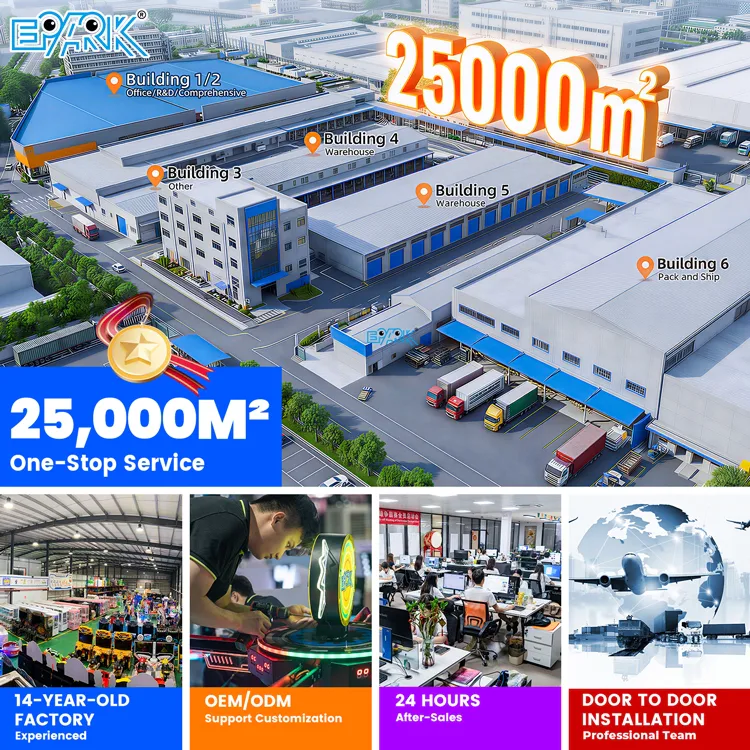
EPARK is a Guangzhou-based arcade machine manufacturer serving FEC operators, arcade owners, distributors, importers, and entertainment investors. Its product range includes racing games, claw machines, redemption equipment, sports games, VR attractions, and children's rides.
For an existing venue, buyers can share the current floor plan, available expansion area, visitor profile, equipment preferences, and budget range. These details provide a basis for discussing suitable product categories and machine quantities.
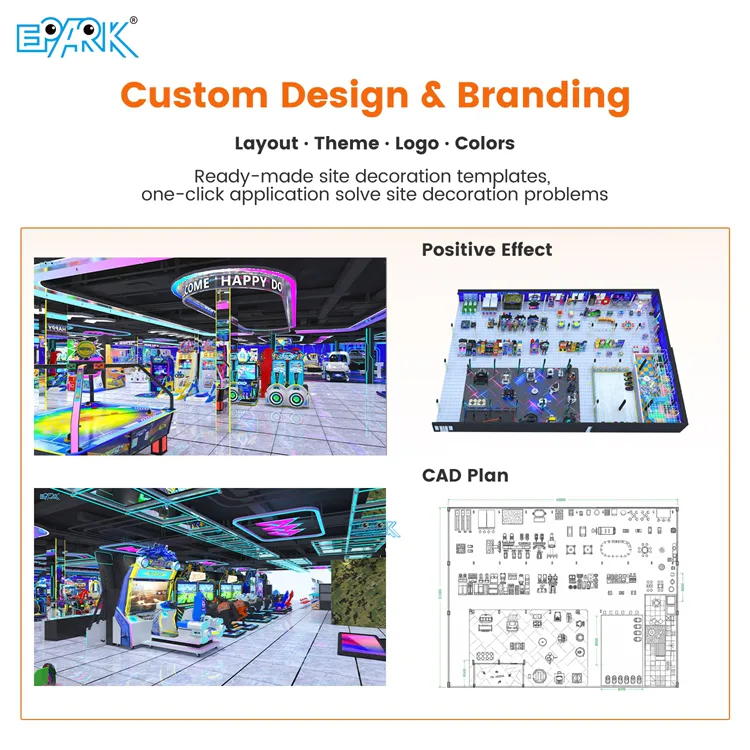
EPARK offers equipment selection, 2D and 3D layout support, available customization options, production, quality checks, export packing, shipping coordination, installation guidance, and after-sales assistance. The specific scope should be confirmed for each project and model.
A written equipment and project plan can help buyers coordinate supplier quotations with local contractors and venue staff. It also provides a reference for checking specifications and preparing for the new machines before delivery.
Frequently Asked Questions
Can an Arcade Expand Without Closing Completely?+
Some expansion projects can be completed in phases while unaffected areas remain operational. However, this depends on construction requirements, equipment installation, safety conditions, and local regulations. Temporary closure of specific areas may still be necessary.
How Should I Choose New Machines for an Existing Arcade?+
Review current equipment performance, visitor feedback, available space, and gaps in the entertainment mix. Select machines that provide a clear additional experience while meeting the venue's technical and operational requirements.
What Costs Should Be Included in an Arcade Expansion Budget?+
The budget may include new equipment, shipping, import charges, electrical work, network changes, installation, renovation, staff training, marketing, and contingency funds. Actual expenses depend on the project scope and destination market.
When Should I Order Equipment for an Expansion?+
Equipment ordering should be coordinated with the construction and installation schedule. Confirm production lead times, shipping arrangements, customs procedures, and receiving conditions before finalizing the delivery plan.
Conclusion
Expanding an arcade successfully requires a coordinated approach to equipment selection, space planning, infrastructure, purchasing, and daily operations. Adding more machines without understanding the existing venue can create unnecessary costs and operational problems.
A phased expansion plan allows operators to review customer demand, prepare the site, coordinate equipment delivery, and introduce new attractions with greater control over the project.
For arcade owners and FEC investors, the goal is not simply to increase machine quantity. It is to improve the entertainment experience while protecting the performance of the existing business.