How to Plan an Arcade Game Center Layout for Better Revenue
Learn how to plan an arcade game center layout with the right equipment mix, customer flow, and space planning strategies to improve visitor experience and business performance.
Arcade game center planning is one of the most important steps when starting a new entertainment project. A successful arcade or family entertainment center is not simply a collection of machines. It requires careful planning of customer flow, equipment selection, space utilization, and operating efficiency.
For FEC operators, arcade investors, shopping mall developers, and entertainment business owners, a professional layout can improve customer experience, increase machine utilization, and create a better foundation for long-term revenue growth.
Before purchasing arcade machines, investors should develop a clear plan based on their target customers, venue size, business goals, and future expansion needs.
Why Arcade Game Center Layout Planning Is Important
A well-designed arcade game center layout helps create a smooth customer journey from the moment visitors enter the venue.
The position of machines, entertainment zones, walking paths, and service areas can influence how customers explore the space and how long they stay.
Poor planning may lead to several problems:
- Crowded customer areas
- Difficult maintenance access
- Unbalanced equipment distribution
- Low space utilization
- Limited customer engagement
A professional layout should balance customer experience, operational efficiency, and revenue potential.
The goal is not simply to place as many machines as possible, but to create a comfortable entertainment environment where customers naturally move between different attractions.
Understand Your Target Customers Before Planning
Every entertainment project has different customer groups, and the layout should be designed according to the expected audience.
A family entertainment center usually focuses on parents and children, requiring attractions that encourage longer family visits.
Common equipment may include:
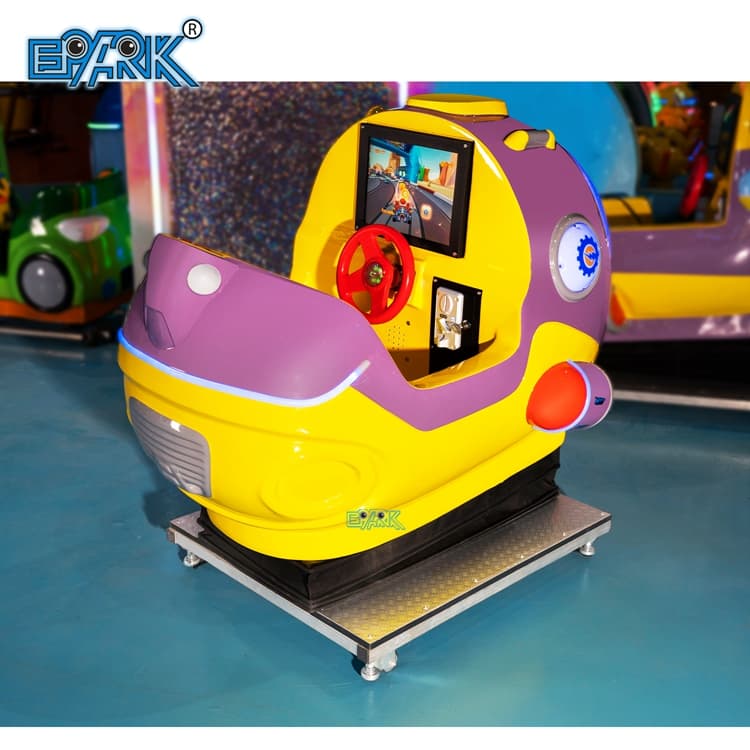
- Kiddie rides
- Redemption games
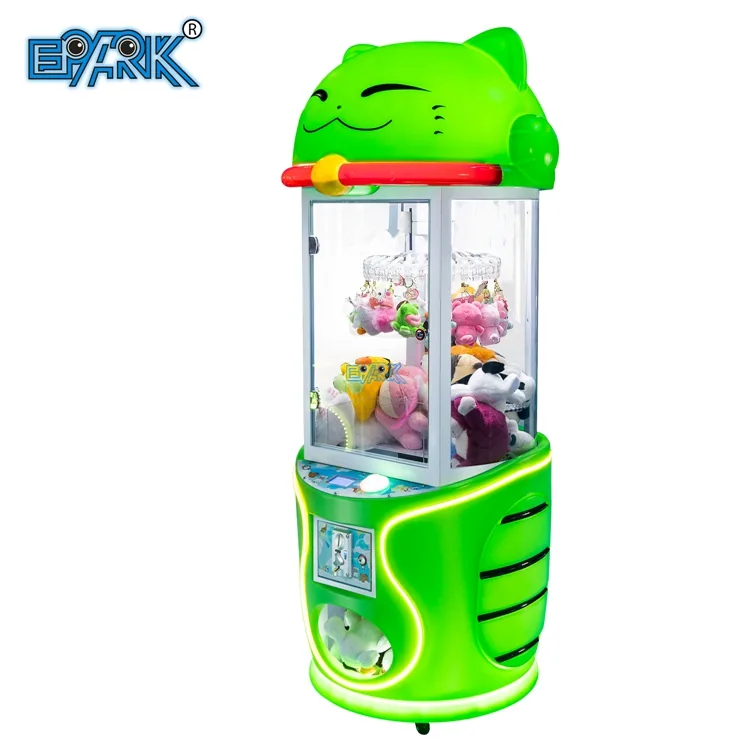
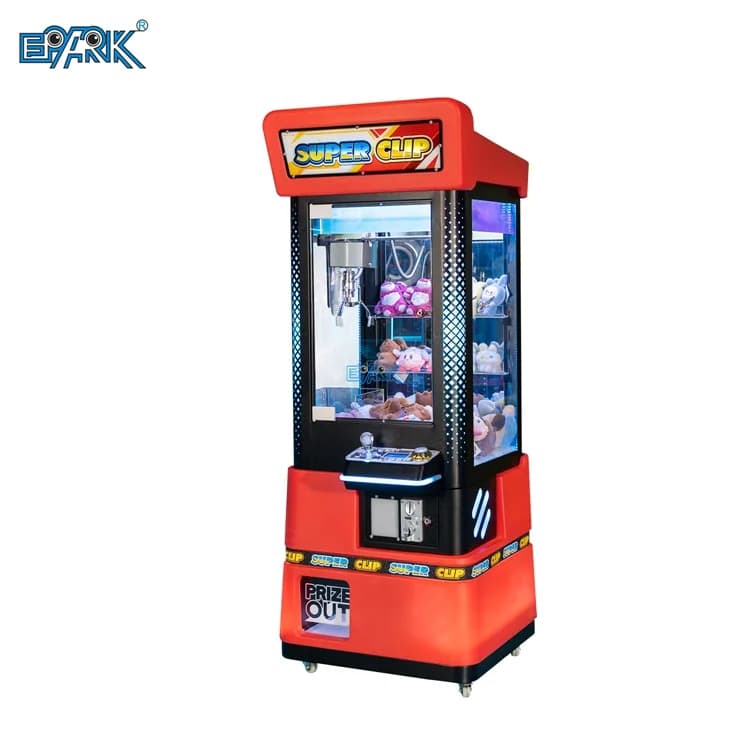
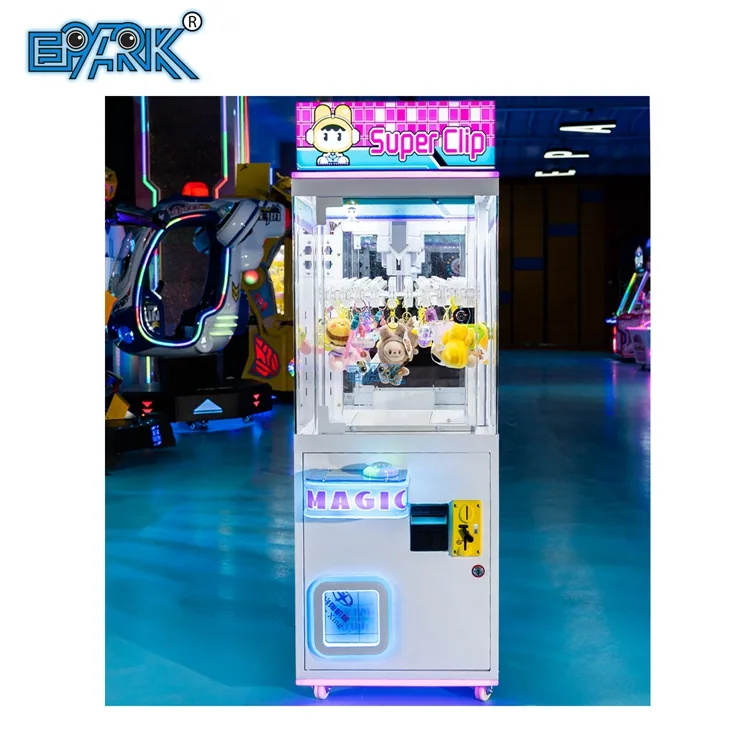
- Claw machines
- Interactive games
- Family-friendly attractions
A youth-oriented arcade may require more competitive and immersive experiences, such as:
- Racing games
- Shooting games
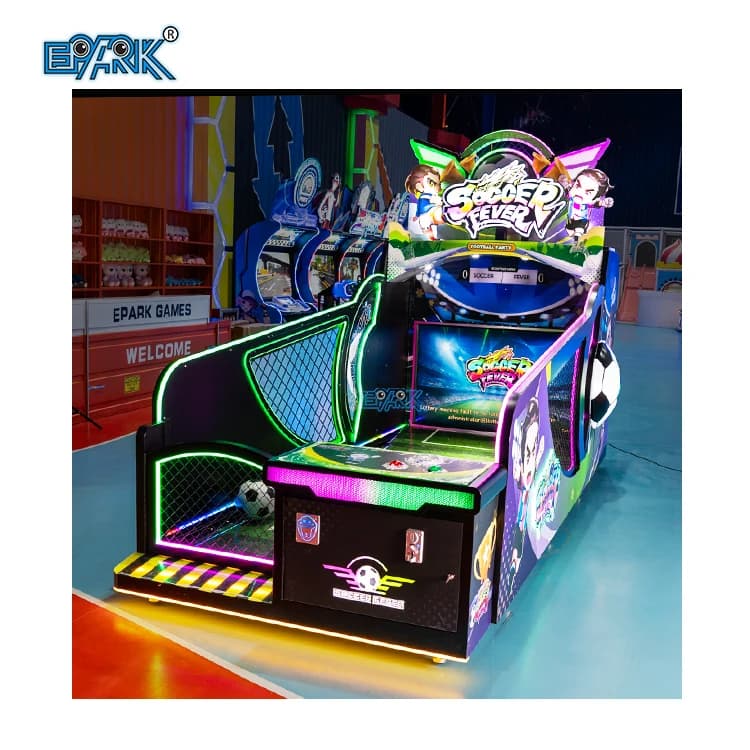
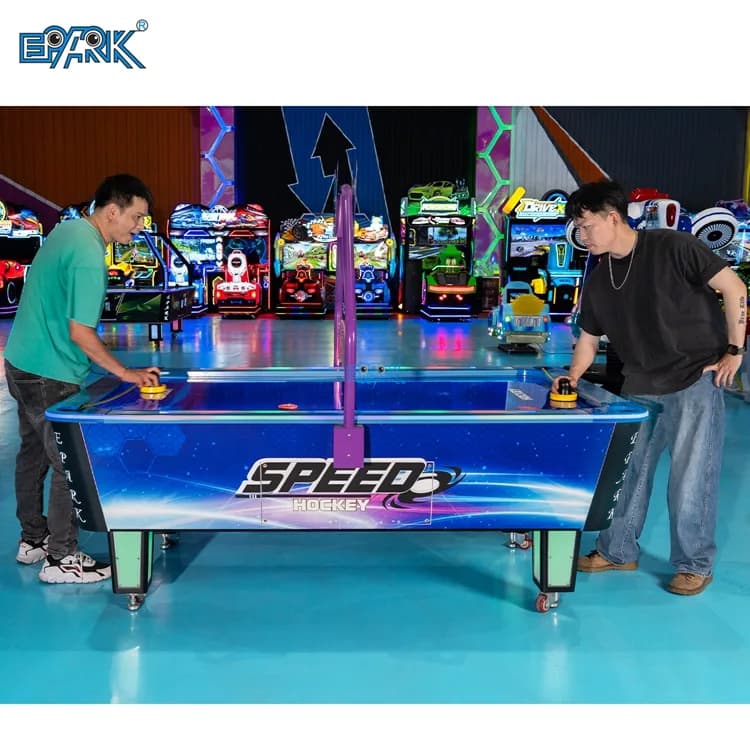
- Sports arcade machines
- VR experiences
Understanding customer preferences before planning helps investors choose the right equipment mix and avoid unnecessary purchasing costs.
Analyze Your Available Space
Venue size is one of the most important factors in arcade planning.
Before selecting machines, operators should evaluate:
- Total floor area
- Ceiling height
- Entrance position
- Customer movement paths
- Power supply locations
- Storage requirements
- Maintenance space
Different venue sizes require different planning strategies.
A smaller arcade may focus on high-performing machines and efficient space usage, while a large FEC can create multiple entertainment zones with different experiences.
Professional planning helps maximize the value of every square meter.
Create Different Entertainment Zones
A successful arcade usually includes different zones instead of placing machines randomly throughout the venue.
A racing zone can create an exciting atmosphere with multiplayer racing machines and driving simulators.
A prize and redemption zone can encourage repeat visits because customers enjoy collecting tickets and exchanging prizes.
A family zone can provide entertainment for younger visitors, while a VR and experience zone can create premium attractions with higher engagement.
Different zones help customers quickly understand the venue and allow operators to create a more organized experience.
The combination of zones should match the target market and overall business strategy.
Plan Customer Flow and Machine Placement
Customer flow is one of the most important parts of arcade layout design.
The position of machines should encourage visitors to explore the entire venue instead of staying in only one area.
- Attractive machines near entrances
- Clear walking paths
- Enough playing space around machines
- Comfortable waiting areas
- Easy access for staff
Important layout considerations include:
Popular machines with strong visual effects are often placed in high-visibility locations because they can attract customer attention immediately.
However, operators should also consider noise levels, customer traffic, and maintenance requirements when arranging equipment.
Select the Right Equipment Combination
A profitable arcade requires the right balance of machines.
Choosing equipment only based on appearance may create an unbalanced venue.
A professional equipment mix should consider:
- Customer age groups
- Local market preferences
- Revenue potential
- Available space
- Operating budget
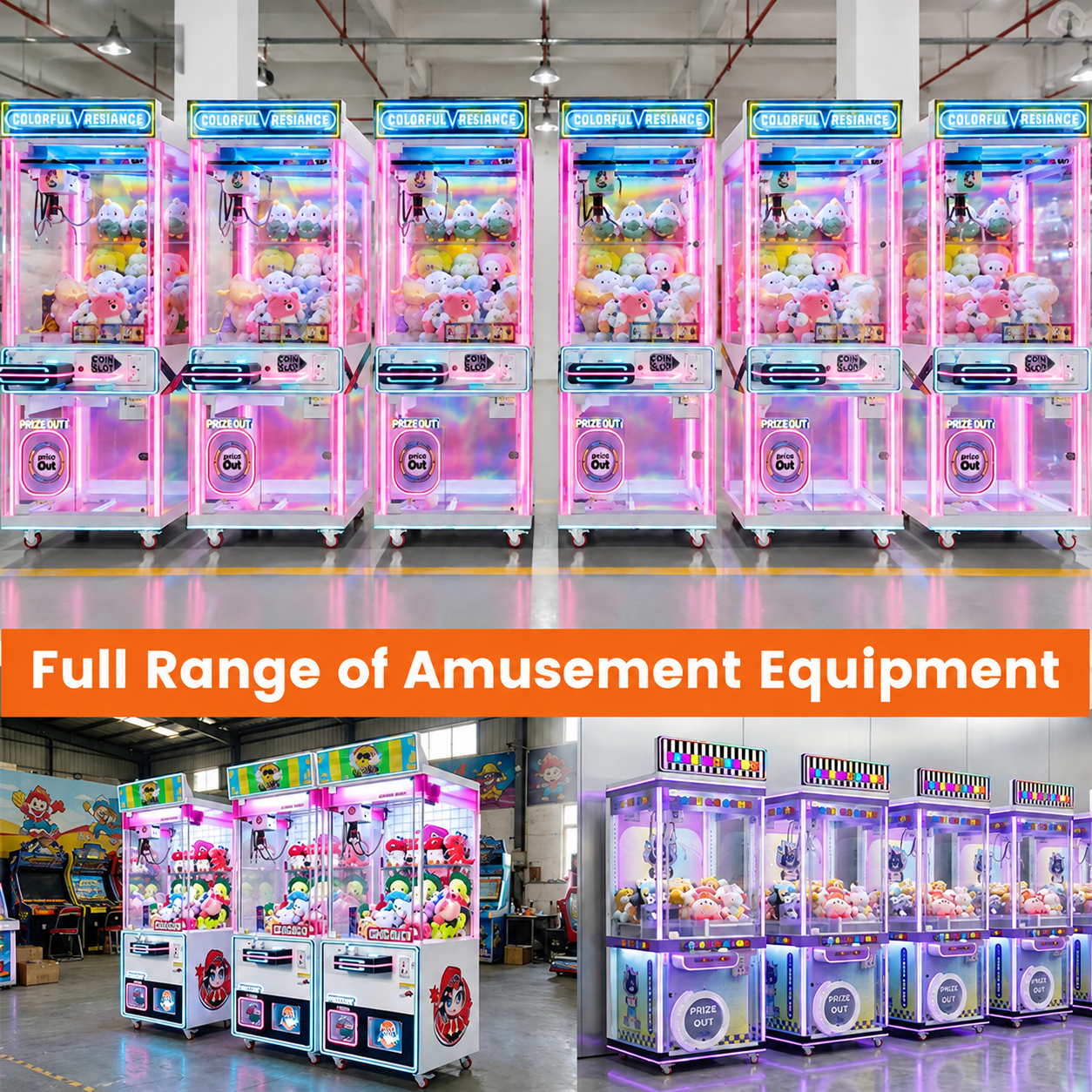
Many successful entertainment venues combine different categories, including arcade games, claw machines, redemption equipment, racing games, VR attractions, sports games, and children's entertainment equipment.
The goal is to create multiple reasons for customers to visit and return.

Use 2D Layout and 3D Design Before Construction
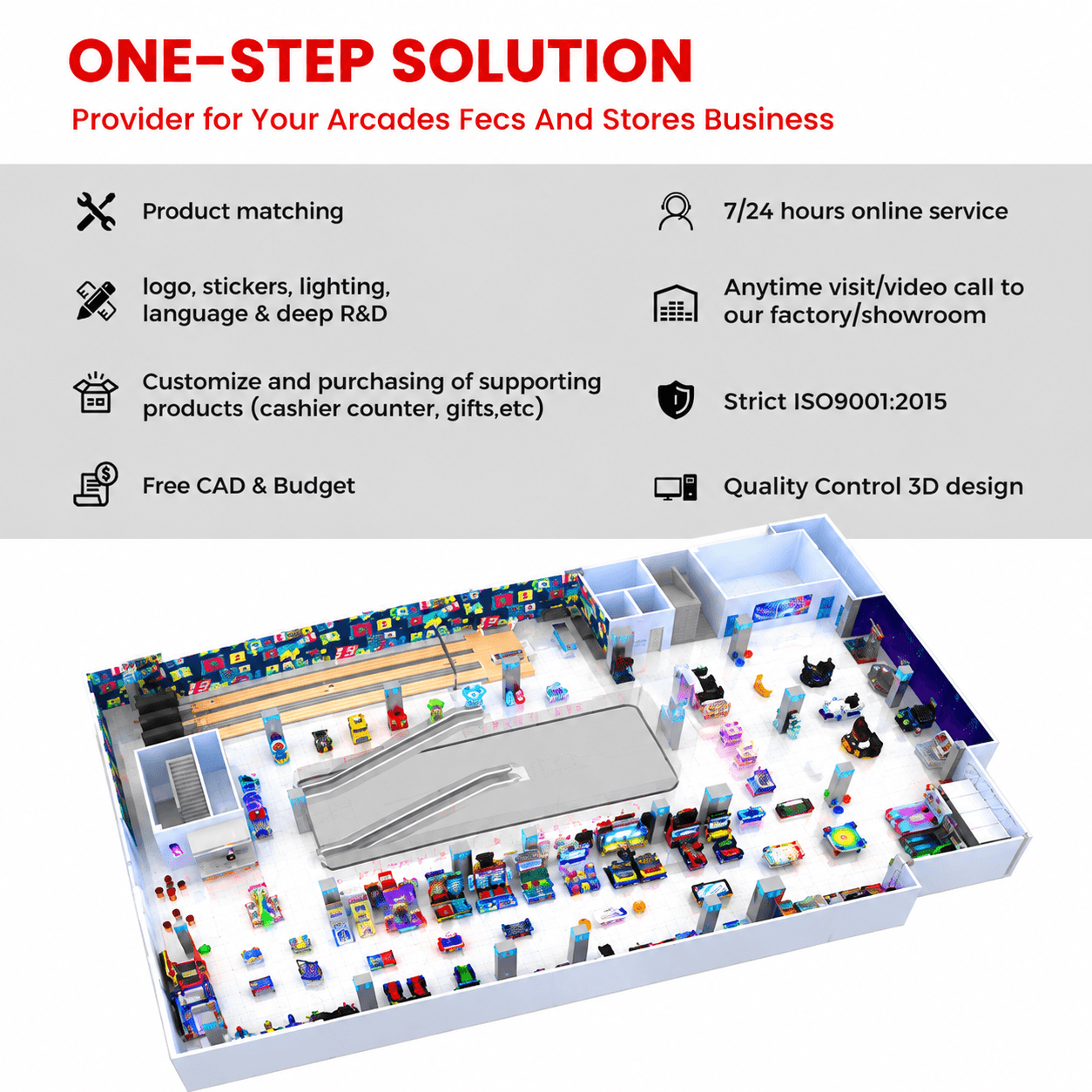
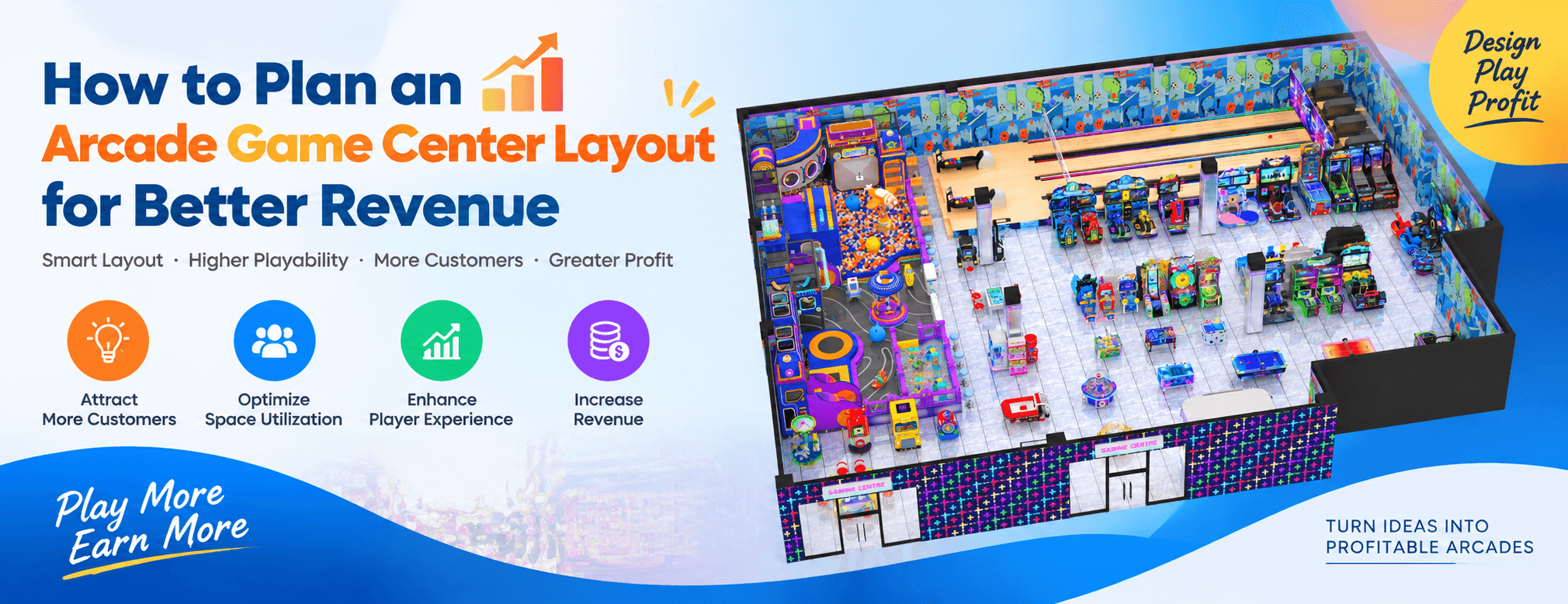
Professional arcade projects often use 2D layouts and 3D designs before production and installation.
A detailed design process helps investors understand:
- Machine arrangement
- Customer movement
- Decoration style
- Entertainment zones
- Overall venue appearance
2D layouts provide accurate equipment placement, while 3D designs allow investors to visualize the final environment.
This process helps identify potential problems before construction begins and reduces costly changes later.
For international investors, 3D design is especially valuable because it allows them to review the project remotely before equipment production.
Consider Future Operations During Planning
A good arcade layout should support daily operation after opening.
Many investors focus only on customer experience but forget about maintenance and staff requirements.
The layout should leave enough space for:
- Machine inspection
- Cleaning
- Repairs
- Prize management
- Equipment replacement
Other important factors include:
- Stable power supply
- Proper ventilation
- Easy cable management
- Safe customer movement
Planning for operation from the beginning can reduce future maintenance difficulties and improve efficiency.
Work With an Experienced Arcade Equipment Supplier
Choosing an experienced supplier can simplify the entire project process.
A professional arcade manufacturer can support investors with:
- Equipment recommendations
- Arcade layout planning
- 2D design
- 3D visualization
- Production
- Quality inspection
- Shipping support
- Installation guidance
- After-sales service
EPARK provides one-stop entertainment solutions for FEC operators, arcade owners, distributors, and investors worldwide.
With more than 14 years of industry experience, EPARK supports projects from initial concept to final installation, including commercial arcade machines, claw machines, redemption games, racing games, shooting games, VR equipment, kiddie rides, and complete entertainment solutions.
How EPARK Helps With Arcade Project Planning
A complete arcade project requires cooperation between design, equipment selection, manufacturing, and installation.
EPARK works with customers to understand:
- Venue requirements
- Target customers
- Available space
- Investment goals
- Preferred entertainment concept
Based on these requirements, EPARK can provide suitable equipment recommendations and project solutions.
The process may include:
- Understanding the project requirements
- Creating equipment suggestions
- Preparing layout designs
- Confirming machine selection
- Manufacturing and testing
- Shipping and installation support
This one-stop approach helps customers reduce communication costs and manage their entertainment projects more efficiently.
FAQ
Why is arcade game center layout planning important?+
A professional layout improves customer flow, maximizes space usage, supports easier maintenance, and helps create a better entertainment experience.
Can an arcade equipment supplier provide 3D design services?+
Yes. Many experienced suppliers provide 2D layouts and 3D designs to help investors visualize machine placement and the final venue appearance before purchasing equipment.
What should be considered when planning a new arcade center?+
Important factors include customer groups, venue size, equipment mix, customer movement, maintenance access, power requirements, and future expansion possibilities.
Conclusion
A successful arcade game center starts with professional planning.
The right layout can improve customer experience, increase equipment utilization, simplify operations, and support long-term business growth.
Before investing in arcade equipment, operators should carefully consider customer needs, venue conditions, machine selection, and future operational requirements.
Working with an experienced arcade equipment supplier can help transform an empty space into a well-designed and profitable entertainment destination.