How to Plan a Successful FEC Project From Idea to Opening
Learn how to plan a successful FEC project from concept development to equipment selection, layout design, installation, and opening preparation.
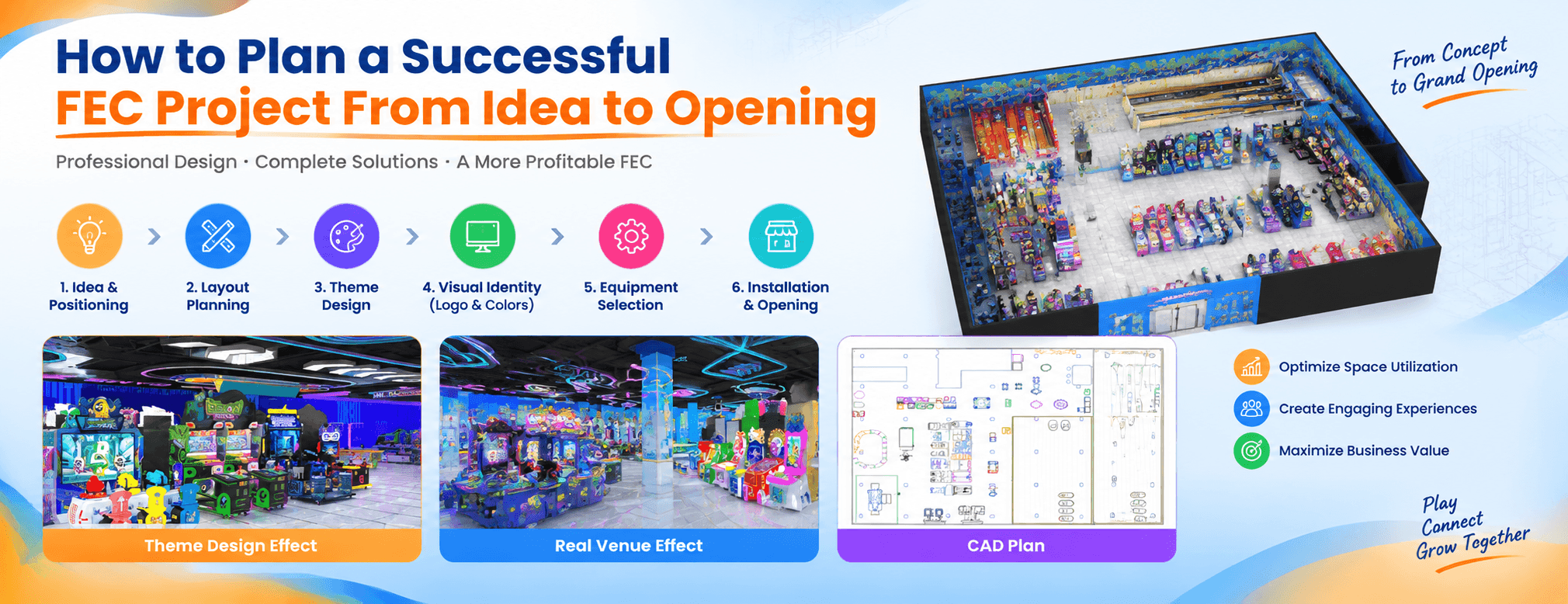
Planning a successful Family Entertainment Center (FEC) requires much more than selecting attractive arcade machines.
A profitable entertainment project needs careful planning from the beginning, including market positioning, customer analysis, venue design, equipment selection, investment planning, installation preparation, and daily operation considerations.
For FEC investors, arcade operators, shopping mall developers, and entertainment business owners, a structured planning process can reduce risks and create a stronger foundation before opening.
This guide explains the key steps involved in planning an FEC project from the initial idea to the final launch.
1. Define the Project Concept and Business Goals
Every successful FEC project starts with a clear concept.
Before selecting equipment or designing the venue, investors should understand what type of entertainment experience they want to create.
Important questions include:
- Who are the target customers?
- What age groups will the venue serve?
- What type of entertainment experience should it provide?
- How large is the planned investment?
- What makes the venue different from competitors?
Different concepts require different planning strategies.
A family-focused entertainment center may include more children's attractions, redemption games, and interactive activities.
A youth-oriented arcade may focus more on racing games, shooting games, VR experiences, and competitive attractions.
A clear concept helps guide all future decisions.
2. Research the Market and Target Customers
Understanding the local market is an important part of FEC project planning.
Before investing, operators should analyze:
- Local customer demand
- Competitor venues
- Nearby shopping areas
- Population characteristics
- Entertainment trends
Customer research helps determine which attractions are most suitable.
For example, a shopping mall location may require entertainment that attracts families during weekends, while a tourist area may need attractions suitable for visitors and groups.
The equipment selection, venue design, and marketing strategy should all match the target customer profile.
3. Analyze the Venue Space Before Equipment Selection
The available space directly affects the project design.
Before choosing machines, investors should evaluate:
- Total floor area
- Ceiling height
- Entrance and exit locations
- Customer circulation paths
- Power supply
- Storage areas
- Maintenance access
A professional FEC layout should balance customer experience and operational efficiency.
Too many machines may create crowded areas and reduce comfort.
Too much empty space may reduce the value of the venue.
The goal is to create an environment where customers can move naturally between different entertainment zones.
4. Select the Right Equipment Combination
Equipment selection is one of the most important decisions in an FEC project.
A successful venue usually combines different entertainment categories instead of relying on one type of machine.
Common equipment includes:
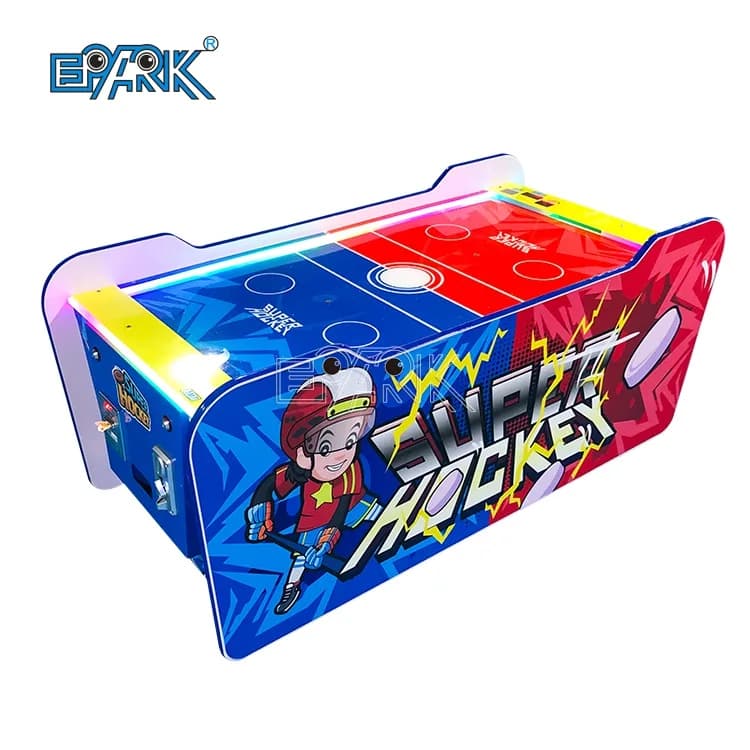
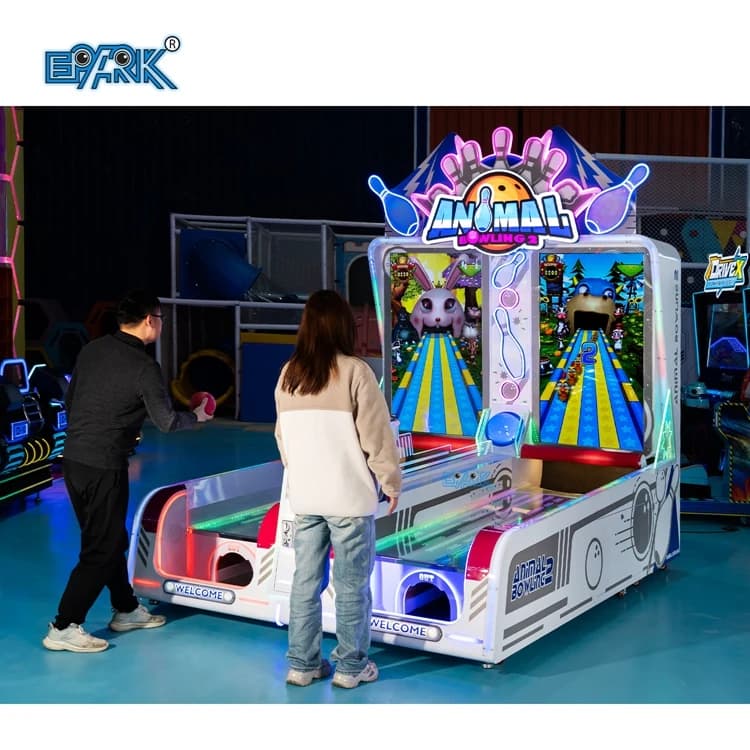
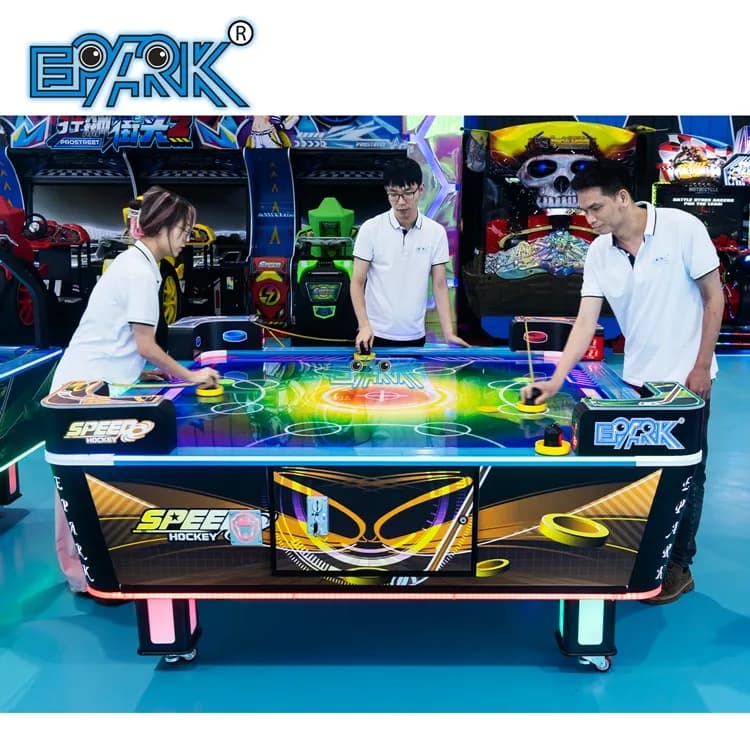
- Arcade game machines
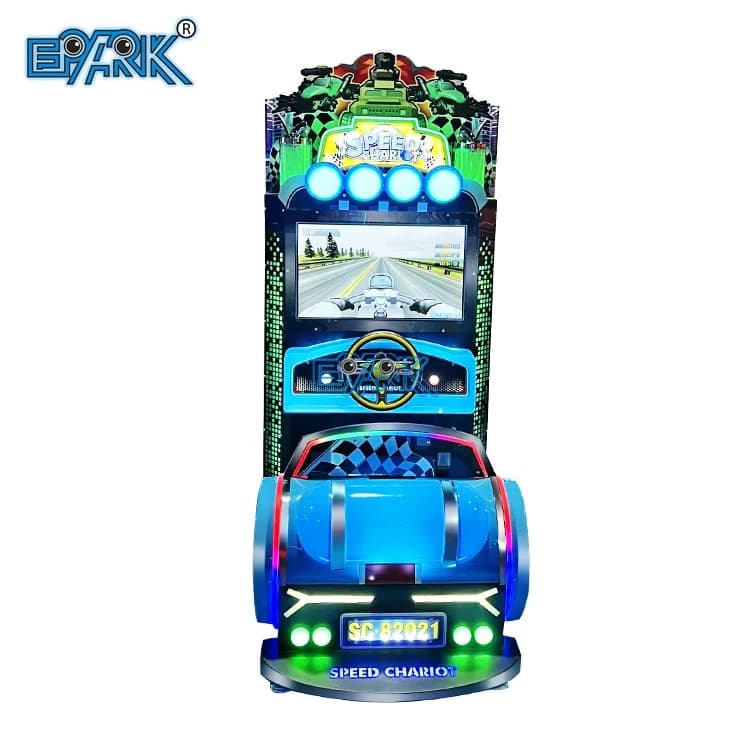
- Racing simulators
- Shooting games
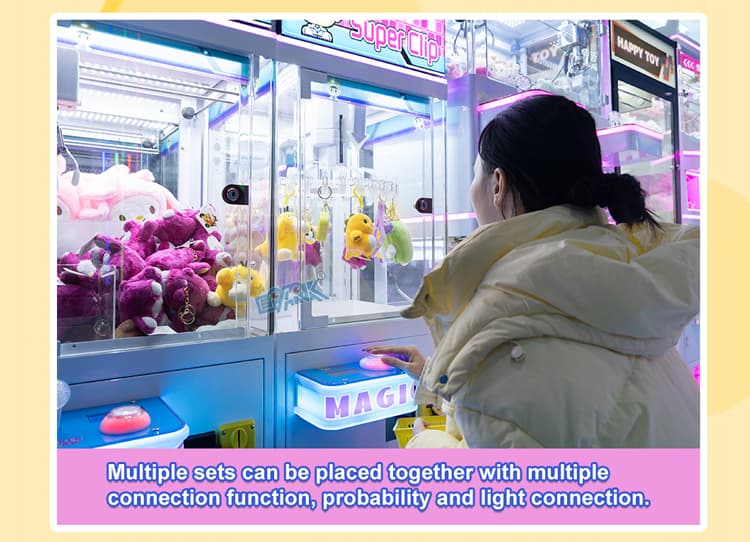
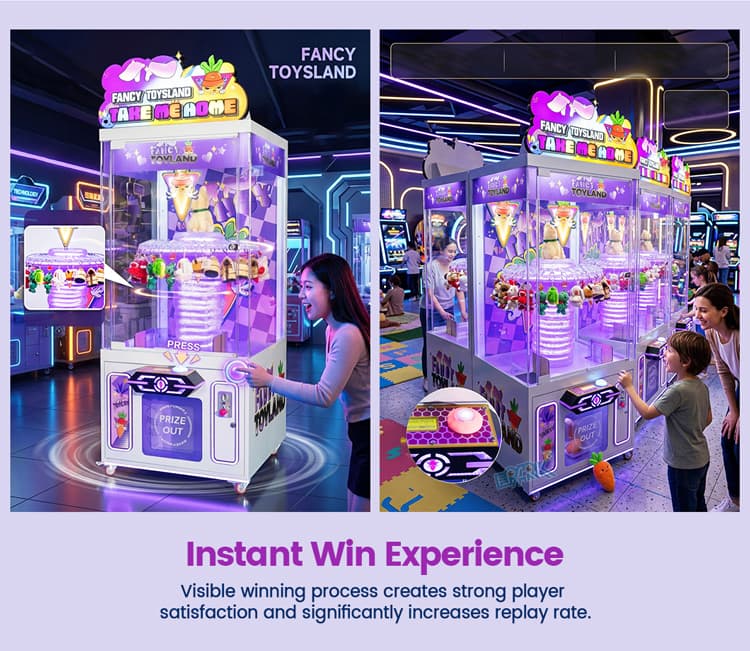
- Claw machines
- Redemption games
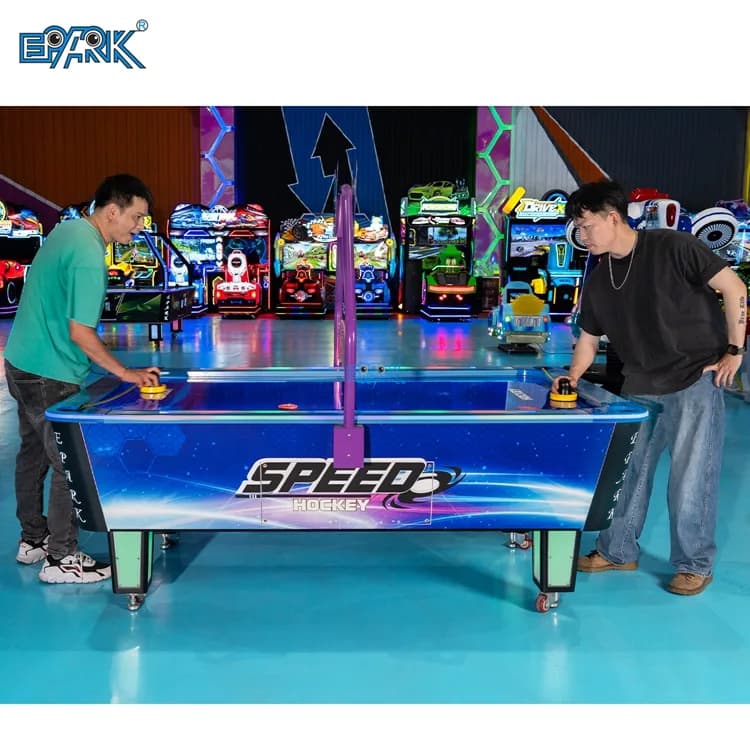
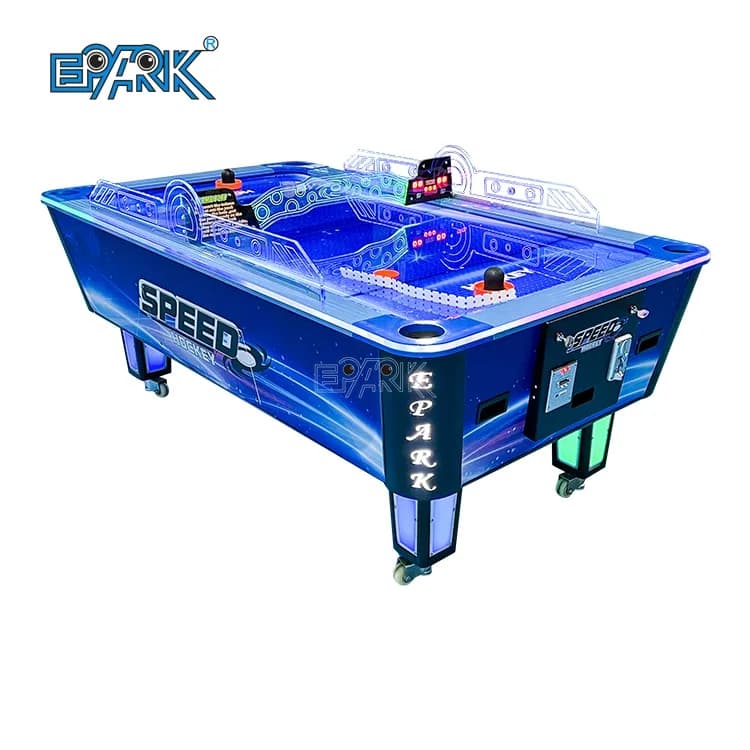
- Sports games
- VR attractions
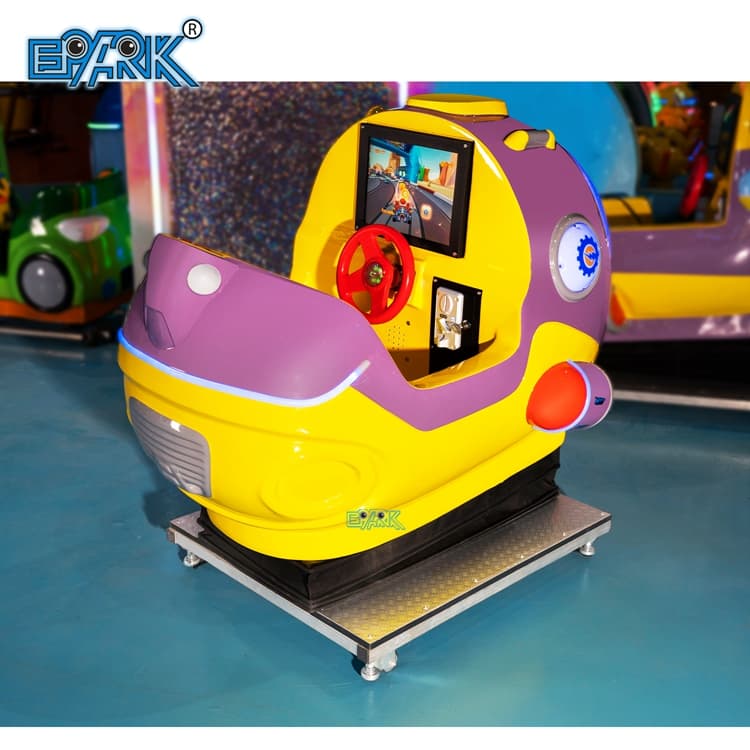
- Kiddie rides
The ideal combination depends on:
- Venue size
- Customer groups
- Investment budget
- Operating model
- Local market preferences
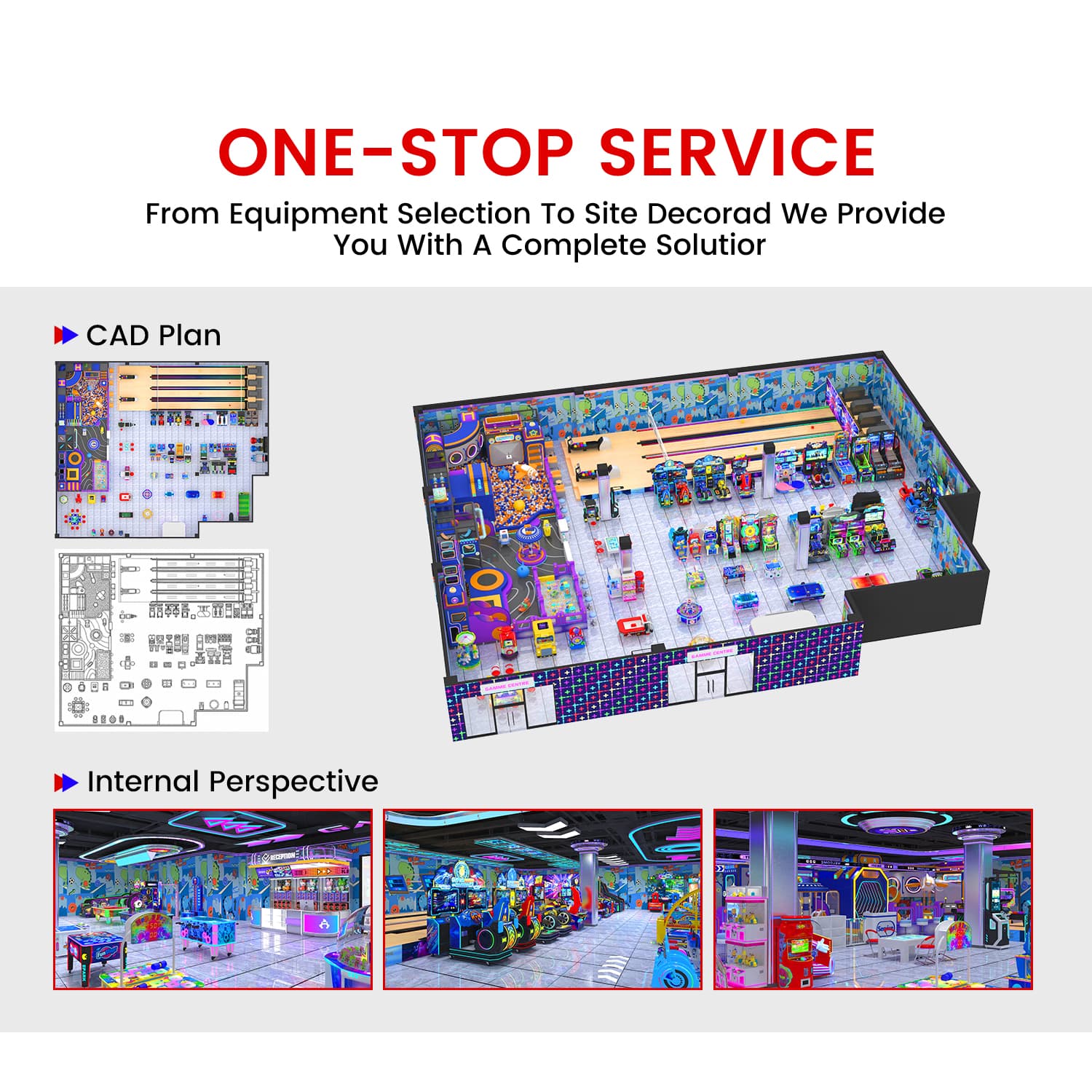
Professional suppliers can help investors select equipment that matches the project goals instead of simply filling the space with machines.
5. Create a Professional Layout Design
A good layout connects equipment selection with customer movement.
Before installation, many FEC projects use 2D layouts and 3D designs to visualize the final venue.
Professional planning can help determine:
- Equipment placement
- Entertainment zones
- Walking paths
- Customer waiting areas
- Decoration style
- Maintenance space
3D visualization is especially useful for investors because it allows them to review the final concept before construction and equipment production.
This reduces mistakes and helps optimize space utilization.
6. Plan the Budget and Project Timeline
An FEC project involves more costs than equipment purchase.
Investors should consider:
- Equipment costs
- Interior decoration
- Shipping expenses
- Installation
- Staff preparation
- Marketing activities
- Operating costs
A clear budget helps avoid unexpected expenses during development.
The project timeline should also include:
- Design confirmation
- Equipment production
- Quality inspection
- Shipping
- Installation
- Testing
- Opening preparation
Good timeline management helps ensure the venue opens smoothly.
7. Consider Installation and Future Operations
Planning should not stop after equipment selection.
A successful FEC should also consider future operation requirements.
Important factors include:
- Machine maintenance access
- Staff workflow
- Cleaning routes
- Spare parts management
- Equipment upgrades
Machines should be positioned not only for customers but also for daily management.
A practical design makes future operation easier and reduces maintenance difficulties.
8. Work With an Experienced FEC Project Partner
Choosing the right supplier can simplify the entire development process.
An experienced FEC equipment manufacturer can support:
- Project consultation
- Equipment recommendations
- Layout planning
- 3D design
- Production
- Testing
- Shipping
- Installation guidance
- After-sales support
Working with one experienced partner can reduce communication problems and improve project coordination.
For international investors, supplier experience with global projects is especially important.
How EPARK Supports FEC Project Planning
EPARK provides one-stop solutions for FEC operators, arcade owners, distributors, and entertainment investors worldwide.
With more than 14 years of industry experience, EPARK supports customers from initial planning to final installation.
The project support process can include:
- Understanding project requirements
- Equipment selection
- Layout design
- 3D visualization
- Production management
- Quality inspection
- Shipping coordination
- Technical support
EPARK supplies commercial arcade machines, claw machines, redemption games, racing machines, shooting games, VR equipment, kiddie rides, and complete entertainment solutions.
FAQ
How long does it take to plan an FEC project?+
The timeline depends on project size, venue conditions, equipment quantity, customization requirements, and construction schedule. Larger projects usually require more planning before opening.
What should be considered when starting an FEC?+
Investors should consider customer groups, venue location, budget, equipment selection, layout design, operating strategy, and supplier support.
Can an arcade equipment supplier help design an FEC?+
Yes. Experienced suppliers can provide equipment recommendations, 2D layouts, 3D designs, production support, shipping assistance, and installation guidance.
Conclusion
A successful FEC project begins with professional planning.
From defining the concept and analyzing customers to selecting equipment, designing the venue, managing production, and preparing for operation, every stage influences the final result.
By working with an experienced arcade equipment partner, investors can reduce risks and create an entertainment destination designed for long-term success.