How to Track Arcade Machine Performance and Revenue
Learn how to track arcade machine performance, compare revenue, analyze player demand, and use operating data to make better FEC equipment decisions.
Running an arcade successfully requires more than keeping machines switched on during business hours. Operators also need to understand which machines attract customers, which games generate stronger revenue, and how equipment performance changes over time.
For FEC operators, arcade owners, and entertainment investors, this information can support better decisions about equipment placement, promotions, machine replacement, and future purchasing.
Many arcade businesses collect revenue information but do not analyze it systematically. As a result, they may continue investing in underperforming equipment while overlooking machines that have strong customer demand.
Tracking arcade machine performance creates a clearer connection between daily operation and business decisions. Instead of relying only on personal opinions, operators can use actual operating data to understand what is happening inside the venue.
1. Why Arcade Machine Performance Should Be Measured
Every machine occupies valuable floor space, requires an initial investment, and contributes differently to the overall customer experience. Measuring performance helps operators understand whether each machine is making effective use of that space.
A machine that attracts customers consistently may deserve a more visible position, while equipment with weak demand may need to be reviewed. This does not automatically mean that low-performing equipment should be removed, because location, seasonality, customer demographics, and machine category can all influence results.
Performance tracking is therefore not simply a method of ranking machines. It is a way to understand how different pieces of equipment contribute to the overall business.
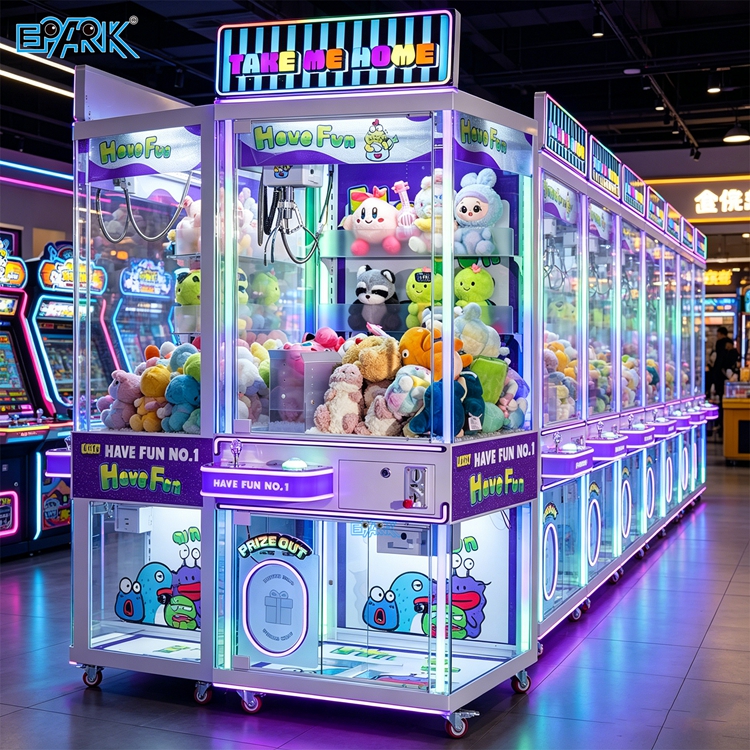
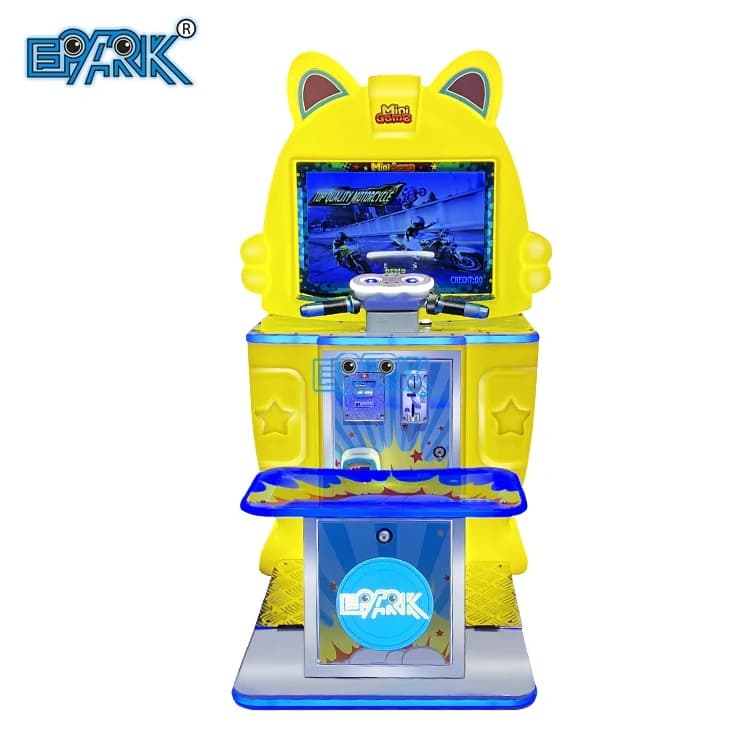
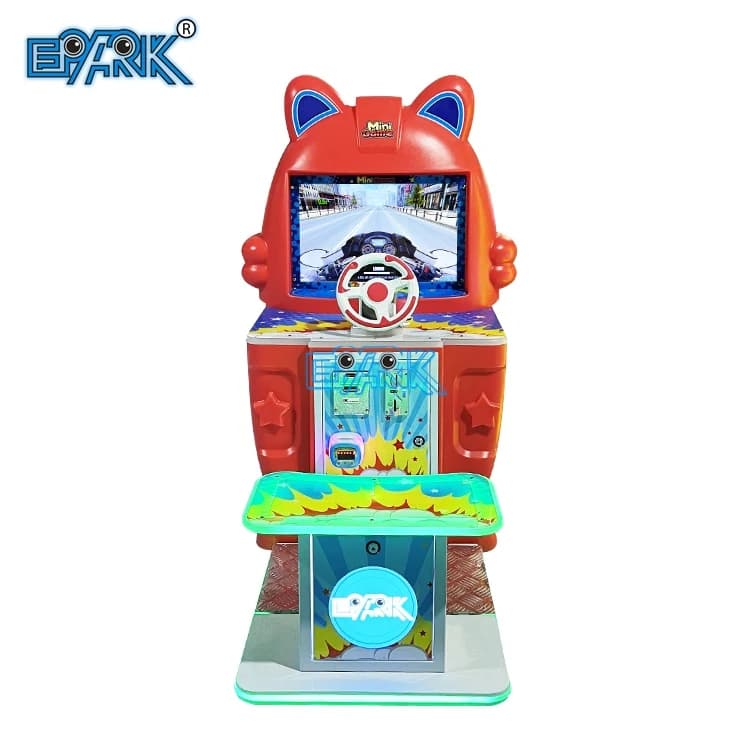
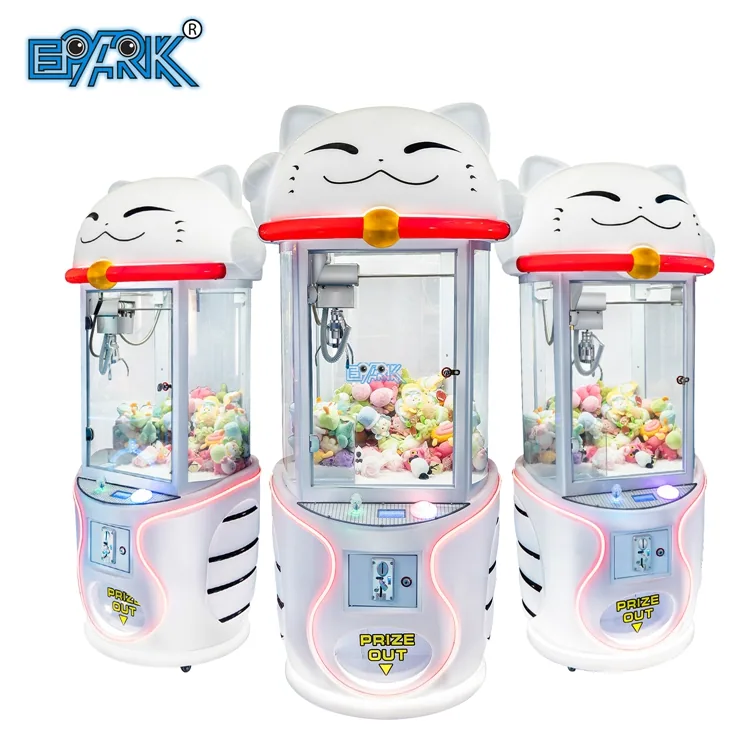
For example, a racing machine may generate strong revenue during weekends but perform differently on weekdays. A claw machine may attract customers throughout the day but depend heavily on prize selection. Looking at the data over time provides more useful information than checking one day's revenue.
A consistent measurement system gives operators a better basis for making decisions about their arcade equipment.
2. Start With the Right Performance Indicators
Operators do not need a complicated analytics system to begin measuring machine performance. A small number of useful indicators can already provide valuable information.
Revenue is one of the most obvious measurements, but it should not be considered alone. Operators can also look at the number of plays, average revenue per play, operating hours, customer usage, and the frequency with which a machine is selected.
Machine performance can also be evaluated in relation to floor space. A large simulator that generates strong revenue may justify its footprint, while another large machine with limited customer demand may require further evaluation.
The purpose of these measurements is to create comparable information across the venue. When the same indicators are recorded consistently, operators can identify differences between machines and categories.
Over time, the data becomes more useful because it reveals patterns rather than isolated results.
3. Measure Revenue Per Machine
Revenue per machine is one of the simplest ways to compare equipment performance.
Operators can record the revenue generated by each machine over a specific period and compare the results with other machines in the same venue. This can highlight equipment that consistently performs above or below the venue average.
However, revenue should always be considered in context. A machine that has been available for ten hours cannot be fairly compared with another machine that operated for sixteen hours without considering the difference in operating time.
Operators should also account for the machine's position, category, player capacity, and customer group. A two-player racing game and a single-player arcade game may naturally have different revenue patterns.
The most useful approach is to compare machines under similar conditions and look for trends across several weeks or months.
This can help operators understand which equipment categories deserve greater attention when planning future purchases.
4. Track Play Frequency and Customer Demand
Revenue tells operators what a machine earns, while play frequency can provide additional insight into customer behavior.
A machine with many plays may indicate strong customer interest even if its individual play price is relatively low. Conversely, a machine with a higher price per play may generate reasonable revenue with fewer sessions.
Tracking play frequency can help operators understand how often customers choose different types of games. This information becomes especially valuable when the venue contains several categories that target different audiences.
For example, racing games may attract groups of friends, while claw machines may receive shorter but more frequent visits. Redemption games may encourage customers to continue playing because of the possibility of earning tickets.
Understanding these patterns helps operators avoid judging every machine using exactly the same criteria.
The goal is to identify how each machine contributes to customer engagement and revenue within the overall business model.
5. Compare Different Arcade Categories
Looking at individual machines is useful, but comparing categories can reveal broader trends.
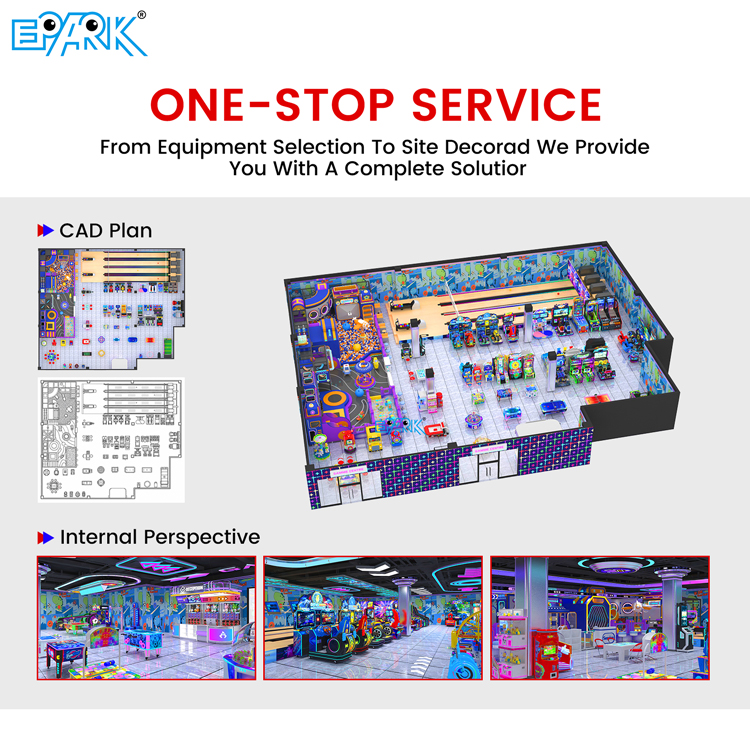
Operators can group equipment into racing, shooting, sports, redemption, claw, VR, children's attractions, and other categories. The performance of each group can then be reviewed over the same period.
Category-level analysis can help identify where customer demand is strongest. If several machines within one category consistently perform well, the operator may consider adding more equipment of a similar type.
If an entire category performs below expectations, the operator can investigate whether the issue is related to customer demand, machine placement, pricing, or the overall venue concept.
This approach also helps when planning future investments. Instead of choosing new machines based only on appearance or supplier recommendations, operators can use their own operating data as part of the decision.
Local market conditions should still be considered because historical performance does not guarantee future results.
6. Analyze Performance by Location
The position of a machine inside an arcade can have a significant influence on its performance.
Machines located near entrances, major walking routes, food areas, prize counters, or other high-traffic zones may receive more visibility than equipment placed in quieter areas.
For this reason, operators should not immediately assume that a low-performing machine is unpopular. Its location may be limiting its exposure.
When analyzing performance, compare the machine's results with its physical position and surrounding environment. A machine that performs poorly in one location may produce different results after being moved.
Relocating equipment can therefore be an operational experiment. Operators can record performance before and after a move and compare the results over a reasonable period.
This type of analysis can help improve floor utilization without requiring an immediate investment in new equipment.
7. Review Performance During Different Time Periods
Arcade performance can change depending on the day, week, season, and local events.
Weekends may generate more family traffic, while weekday evenings may attract teenagers and young adults. School holidays can also change customer behavior significantly.
Operators should therefore avoid making major equipment decisions based on a short observation period.
Comparing weekdays with weekends can reveal when specific machines perform best. Looking at monthly data can also show whether demand is stable or influenced by temporary events.
Seasonal analysis is particularly useful for venues located in shopping malls, tourist destinations, and areas with significant holiday traffic.
Understanding when machines perform best can help operators schedule promotions, staff coverage, and equipment changes more effectively.
8. Use Performance Data to Improve Equipment Placement
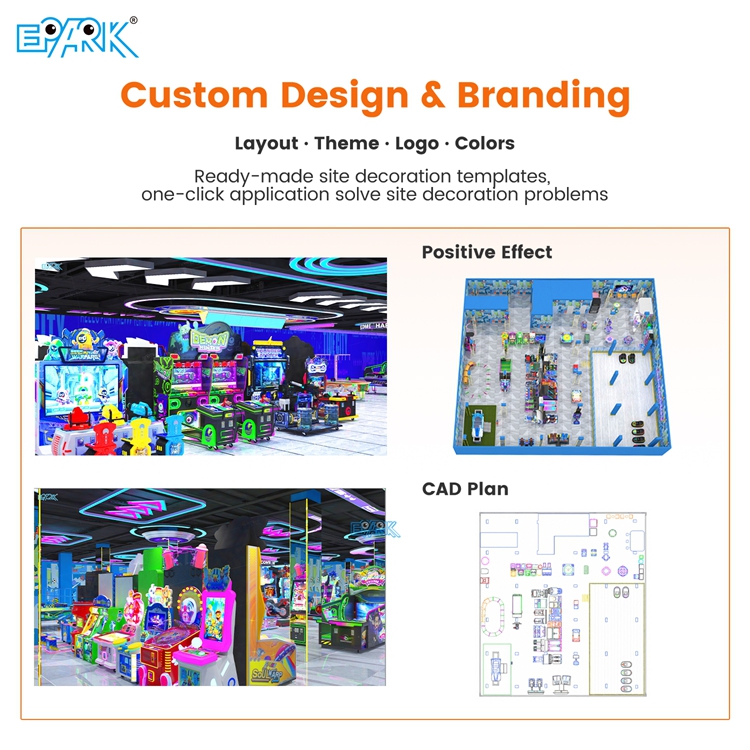
Once operators understand which machines perform well, the information can be used to improve the physical layout of the venue.
High-performing equipment may deserve greater visibility, while machines with lower demand can be tested in different locations before a final decision is made.
Placement should also consider customer circulation. Moving several popular machines into one small area may create congestion and reduce the quality of the overall experience.
The objective is to create a balanced venue where customers can discover different attractions while operators make effective use of valuable floor space.
Performance data can therefore support layout decisions without replacing practical observation. Staff should combine numerical information with what they see happening on the floor.
A machine that has moderate revenue but helps attract customers to a particular zone may have value that is not immediately visible in a simple revenue report.
9. Connect Machine Data With Business Decisions
Performance tracking becomes valuable when the information leads to action.
If a machine consistently performs well, an operator may decide to maintain its position, promote it, or consider similar equipment for future expansion.
If another machine repeatedly underperforms, the operator can investigate possible causes before deciding what to do. The issue may involve pricing, location, customer awareness, game difficulty, or market demand.
Data can also support purchasing decisions. When planning a new arcade or upgrading an existing FEC, operators can compare actual results from their current venue with the proposed equipment mix.
This creates a more evidence-based purchasing process.
The same information can also help distributors understand which equipment categories perform well in particular customer markets and guide future inventory decisions.
10. Build a Simple Arcade Performance Review System
A practical performance review does not need to be complicated.
Operators can establish a regular schedule for recording machine revenue and other key indicators. Weekly reviews can provide short-term information, while monthly reviews can reveal longer-term trends.
The important point is consistency. Data should be recorded using the same definitions and time periods so that comparisons remain meaningful.
Operators should also keep notes about major changes. If a machine is moved, a promotion is introduced, the price is changed, or a nearby attraction is added, recording the change provides useful context when reviewing later results.
Over time, the venue can develop its own performance benchmarks.
These benchmarks become valuable when deciding which machines to retain, relocate, promote, replace, or include in future projects.
How EPARK Supports Arcade Equipment Planning
EPARK is a professional amusement equipment manufacturer based in Guangzhou, China, with more than 14 years of industry experience.
The company provides commercial entertainment equipment for FEC operators, arcade owners, distributors, importers, wholesalers, and entertainment investors.
EPARK's product range includes commercial arcade machines, racing games, shooting games, sports arcade equipment, claw machines, redemption games, VR equipment, kiddie rides, and other entertainment solutions.
For new projects, equipment recommendations can be considered together with venue size, target customers, operating goals, and available space. This allows the equipment mix to be planned around the overall business rather than individual products alone.
For operators upgrading an existing venue, performance information from current machines can also provide useful reference when considering future equipment changes.
FAQ
What is the most important metric for arcade machine performance?+
Revenue per machine is a useful starting point, but it should be considered together with play frequency, operating time, machine location, customer demand, and maintenance requirements. Looking at several indicators provides a more complete view of performance.
How often should arcade operators review machine performance?+
A weekly review can help identify short-term changes, while a monthly review is useful for identifying longer-term trends. Busy venues may benefit from more frequent monitoring of high-traffic equipment.
Should low-performing arcade machines always be replaced?+
Not necessarily. Operators should first check whether the machine's location, pricing, customer awareness, or operating conditions are affecting its results. Relocating or adjusting the machine may improve performance before replacement is considered.
Conclusion
Measuring arcade machine performance gives operators a clearer understanding of how equipment contributes to the overall business.
Revenue, play frequency, category performance, location, and seasonal demand can all provide useful information when reviewed consistently.
The purpose of performance tracking is not simply to identify the highest-earning machine. It is to understand why different machines perform differently and use that information to make better decisions.
For FEC operators and arcade owners, this data can support equipment placement, promotions, future purchases, and venue development.
A simple and consistent performance review system can turn everyday operating information into practical business insight and help create a more efficient long-term arcade strategy.